



Grave of Samuel Bill, His Wife, and Rev. Ekong Tour

Grave of Samuel Bill, His Wife, and Rev. Ekong Tour

Loading available options...

Overview

  • Duration:4 hours 30 minutes
  • Travelers:5 guests
  • Tour Type:Daily tour, Group tour, Private tour
  • Language:English
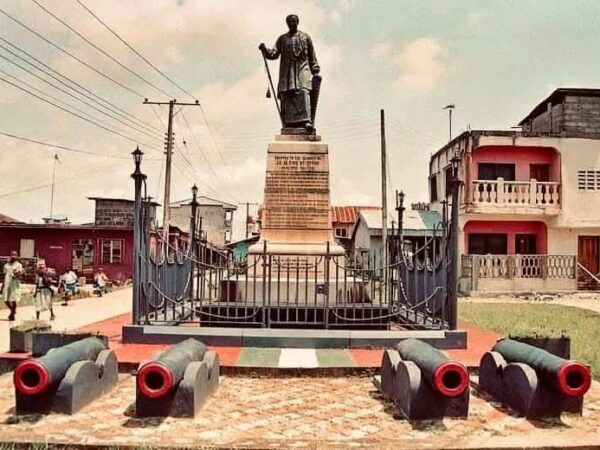
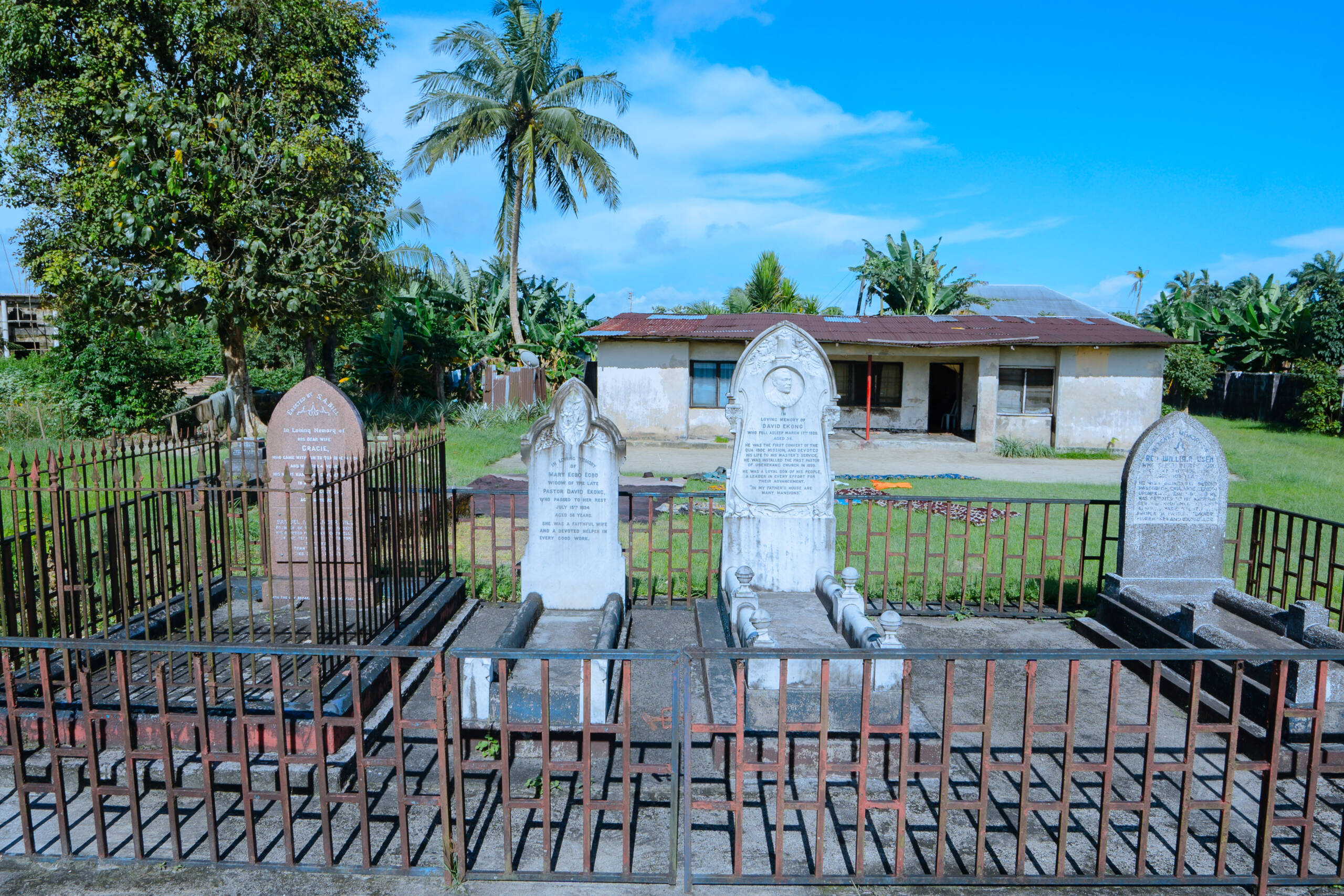
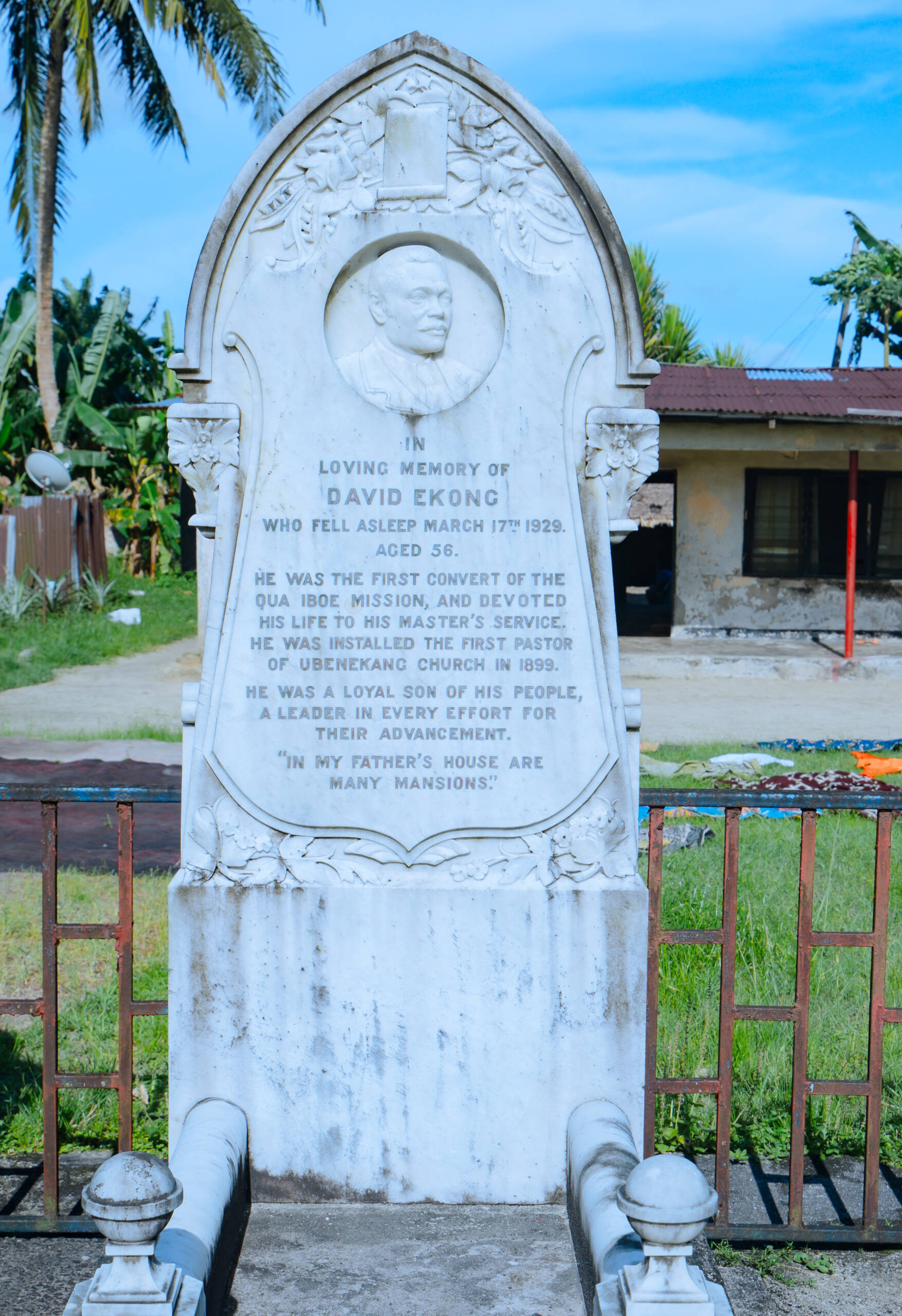
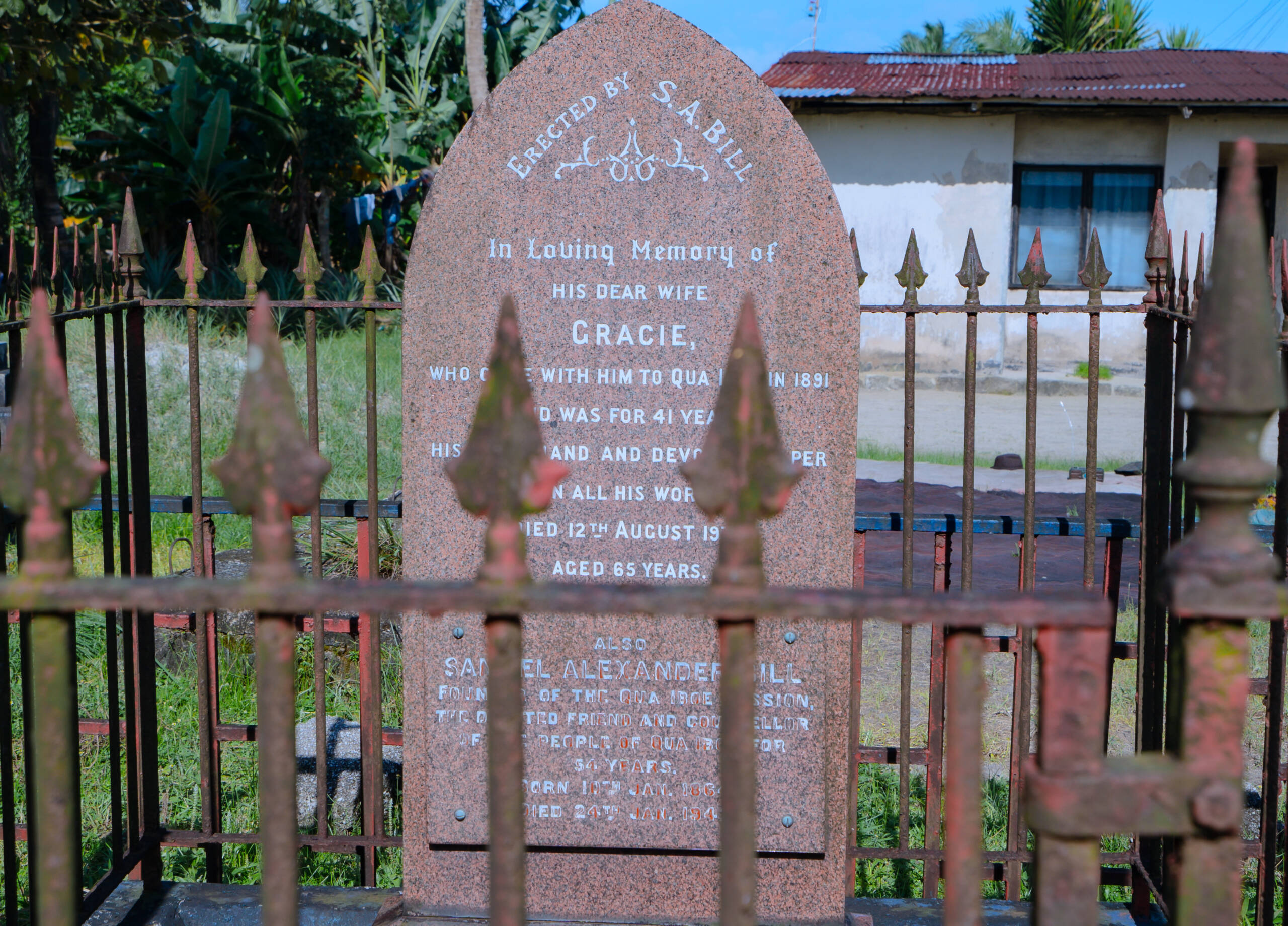
Located in the Ibeno area of Akwa Ibom, the grave of Samuel Bill, his wife Gracie, and his first convert, David Ekong, is a deeply significant heritage site. Samuel Alexander Bill was a British missionary who dedicated his life to service among the Efik and Annang peoples, founding the Qua Iboe Mission. This burial site serves as a testament to his profound impact and the early history of Christianity in the region.

Why You Should Visit

Visiting this grave offers a powerful and moving look into the history of Christian missions in Nigeria. It's a place for quiet reflection and an opportunity to honor the individuals who shaped the spiritual landscape of Akwa Ibom. This historical landmark provides a unique perspective on the intersection of culture, faith, and colonial history, making it a crucial stop for those interested in heritage tourism.
Read more

Highlights

  • A significant historical and religious site.
  • The burial place of Samuel Bill, a key missionary, his wife, and his first convert.
  • A place for peaceful reflection and learning about the region's history.

Includes/Excludes

  • Shared tour
  • Hotel pickup and drop-off
  • Food

Cancellation policy

You can cancel up to 24 hours in advance of the experience for a full refund.

Frequently asked questions

Is the grave of Samuel Bill accessible to the public?

As a historical and religious site, it is generally accessible for visitors.

Is there a tour guide available?

Place your bookings for a Places tour guide. Alternatively, you may need to arrange for a local guide to get the full historical context of the site.

What is the significance of the grave?

It marks the resting place of the founder of the Qua Iboe Mission, a movement that had a significant impact on the people of Akwa Ibom.

What to bring

Respectful attire
A camera for capturing the monument
A notebook for historical notes
Water bottle
Insect repellent

You might also like...

Related Articles