







Karu Waterfall Tour

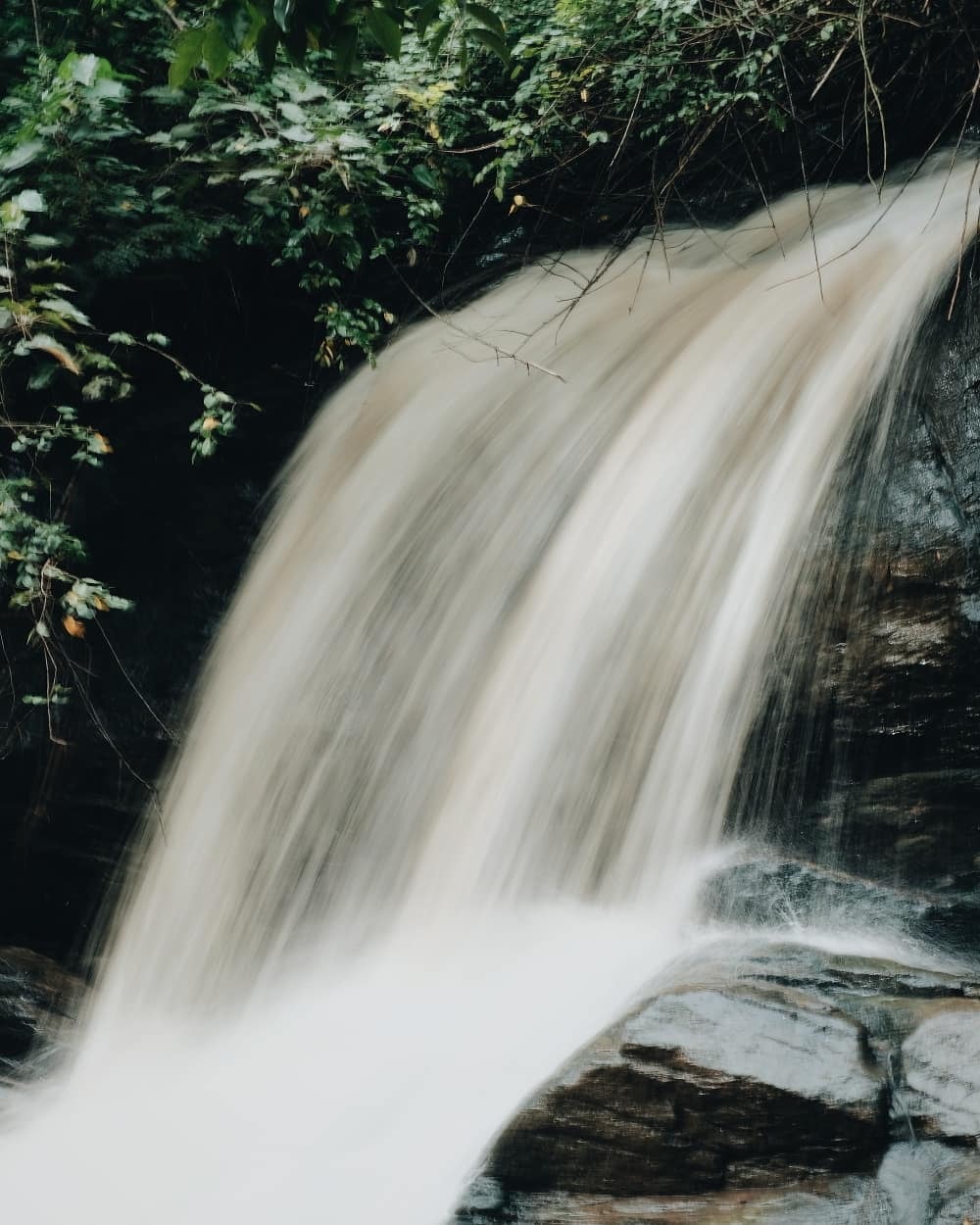
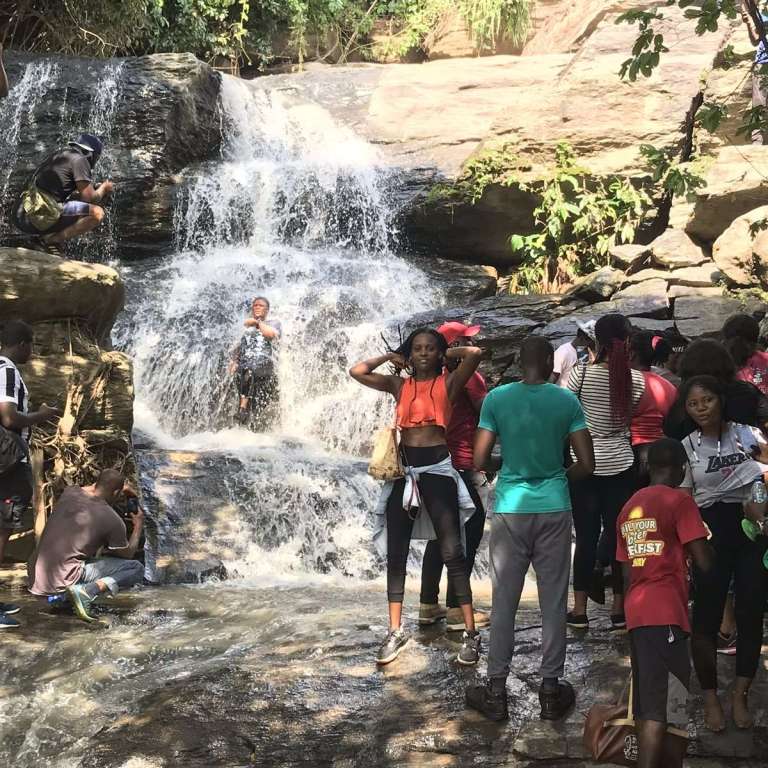
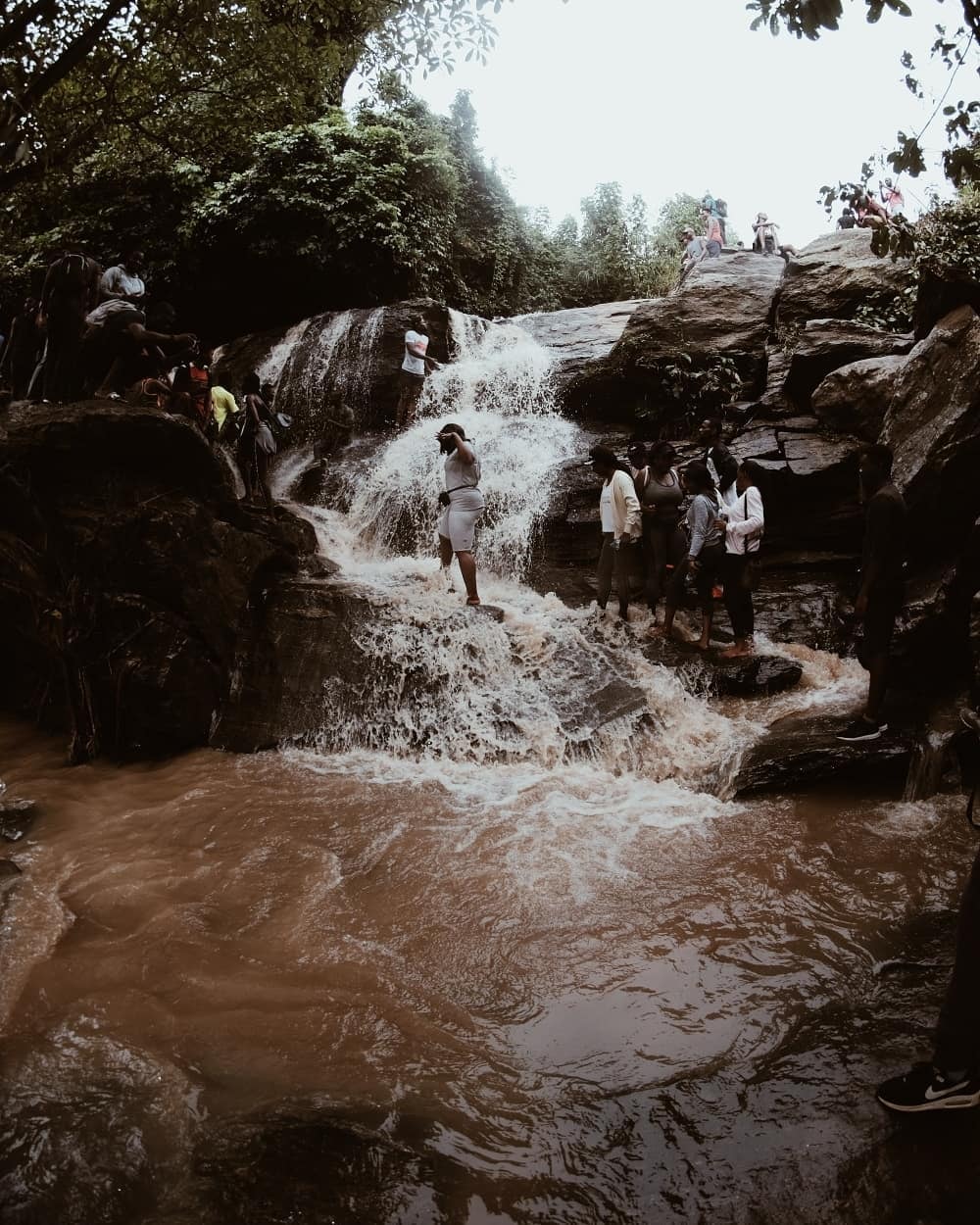
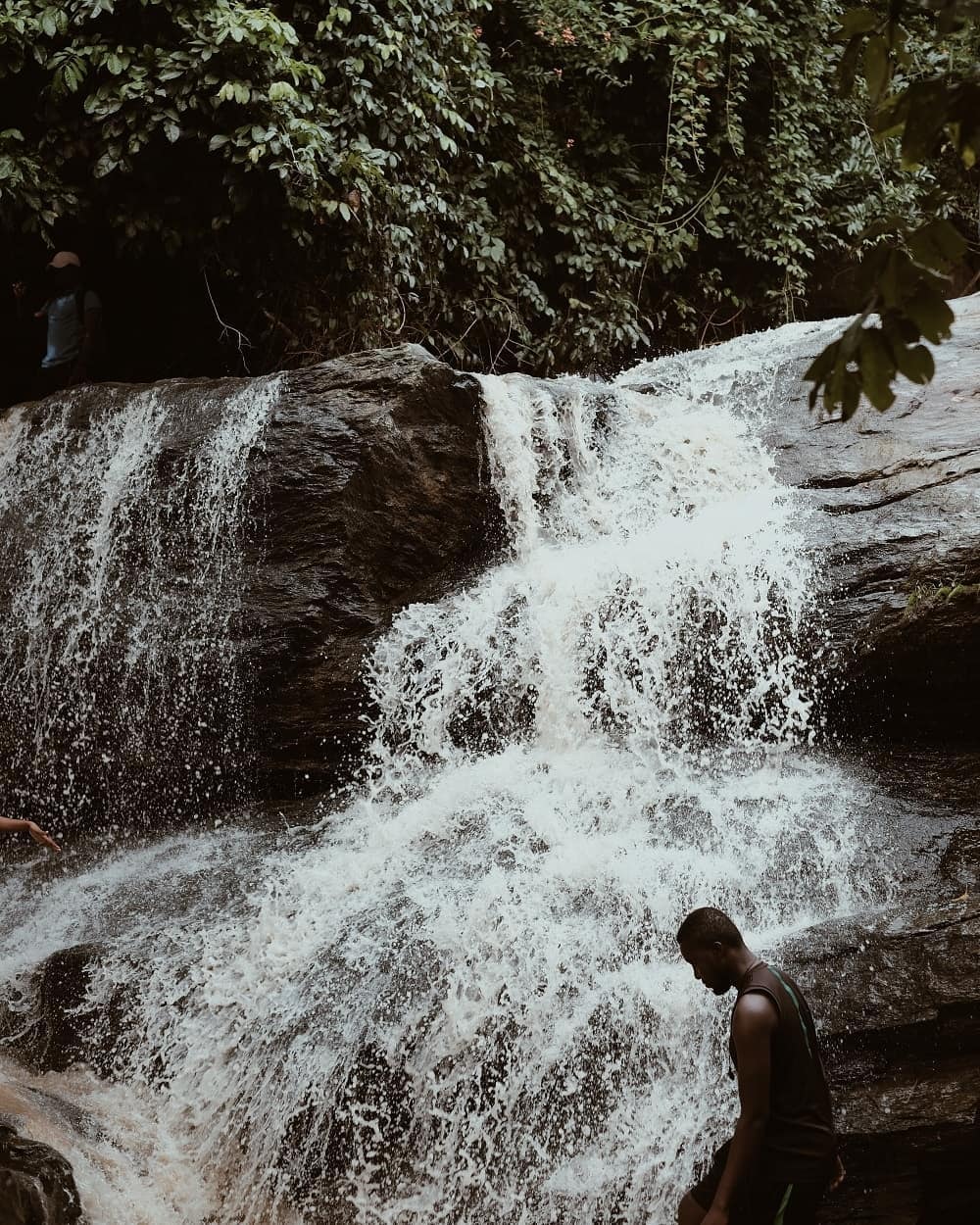
Karu Waterfall in Abuja flowing into an estuary.

Karu Waterfall Tour

Loading available options...

Overview

  • Duration:4 hours 30 minutes
  • Travelers:5 guests
  • Tour Type:Daily tour, Group tour, Private tour
  • Language:English
Karu Waterfalls is a scenic, seasonal natural wonder located in New Karu on the border between the Federal Capital Territory (Abuja) and Nasarawa State. Tucked away in a suburban area behind Bristol Academy, the site is known for its three-layered cascading rock formations and granite outcrops. While relatively close to the city—roughly a 30-minute drive from central Abuja—it remains a "hidden gem" that offers a quiet, tranquil escape from urban life.

Why You Should Visit

You should visit Karu Waterfalls if you are a nature lover or adventure seeker looking for an accessible yet rugged outdoor experience without leaving the capital's vicinity. The site provides a rare opportunity for authentic hiking through verdant landscapes and rolling hills, ending at refreshing natural plunge pools where you can take a cool shower.
Read more

Highlights

  • Three-Layered Cascade: The waterfall features a unique three-stage drop over granite rock formations.
  • Natural Swimming Pools: The falling water creates cool plunge pools at the base, ideal for a refreshing swim.
  • Scenic Hiking Trails: Well-trodden paths lead through rocky terrain and lush greenery, providing breathtaking views of the surrounding hills.
  • Picnic Spots: Natural rock shelters and flat areas near the water offer perfect settings for outdoor gatherings.
  • Rich Biodiversity: The area is a prime spot for birdwatching, with local bird clubs recording over 40 species in a single morning.

Includes/Excludes

  • Shared tour
  • Hotel pickup and drop-off
  • Food

Cancellation policy

You can cancel up to 24 hours in advance of the experience for a full refund.

Frequently asked questions

Where is Karu Waterfalls located?

It is situated in New Karu, just behind Bristol Academy (near Karu Site), about a 30-minute drive from central Abuja.

When is the best time to visit?

The peak experience is during the rainy season (May to October) when the water volume is highest and the vegetation is most vibrant.

Is there an entry fee?

The site is currently open to the public with no admission fee.

What to bring

Sturdy hiking boots.
Plenty of water and snacks.
Sunscreen, a hat, and sunglasses.
A camera to capture the natural beauty.

You might also like...

Related Articles