


The Miller Wharf, Itu Clan Tour

The Miller Wharf, Itu Clan Tour

Loading available options...

Overview

  • Duration:4 hours 30 minutes
  • Travelers:5 guests
  • Tour Type:Daily tour, Group tour, Private tour
  • Language:English
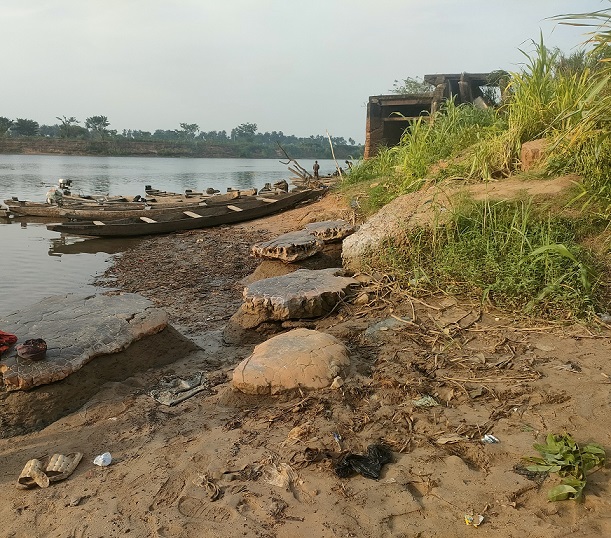
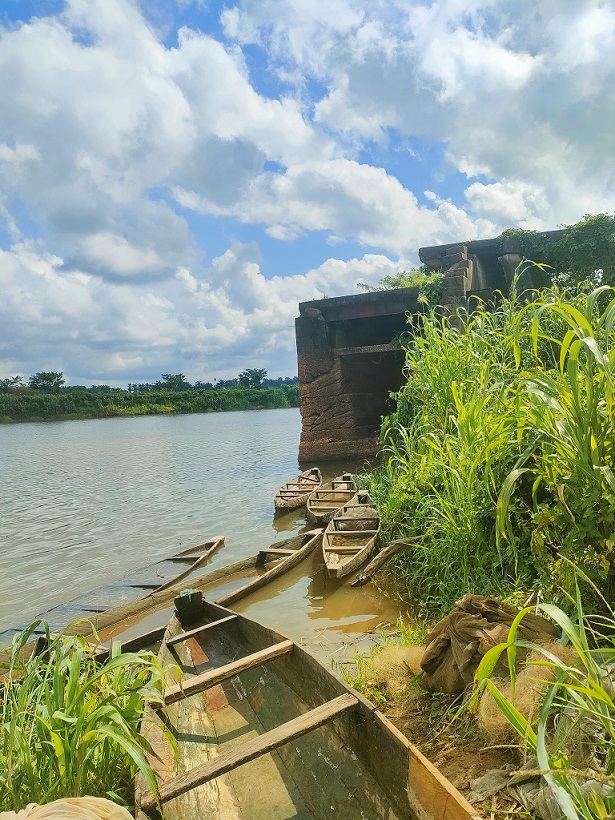
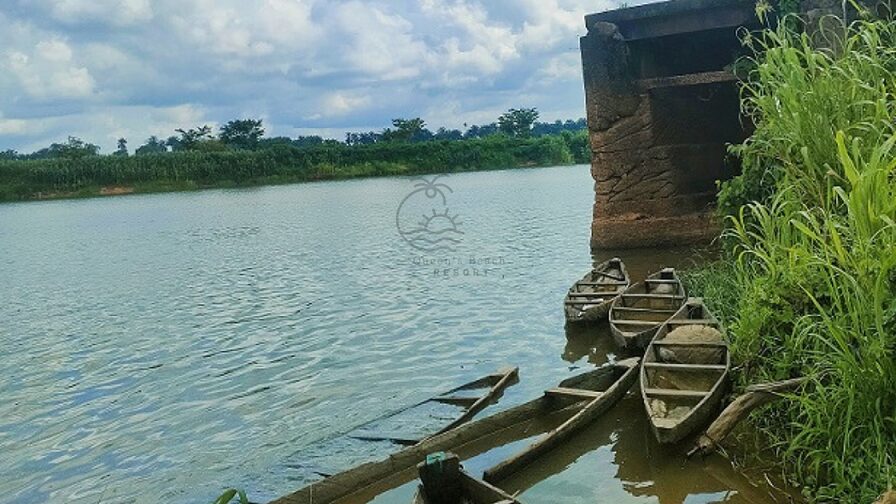
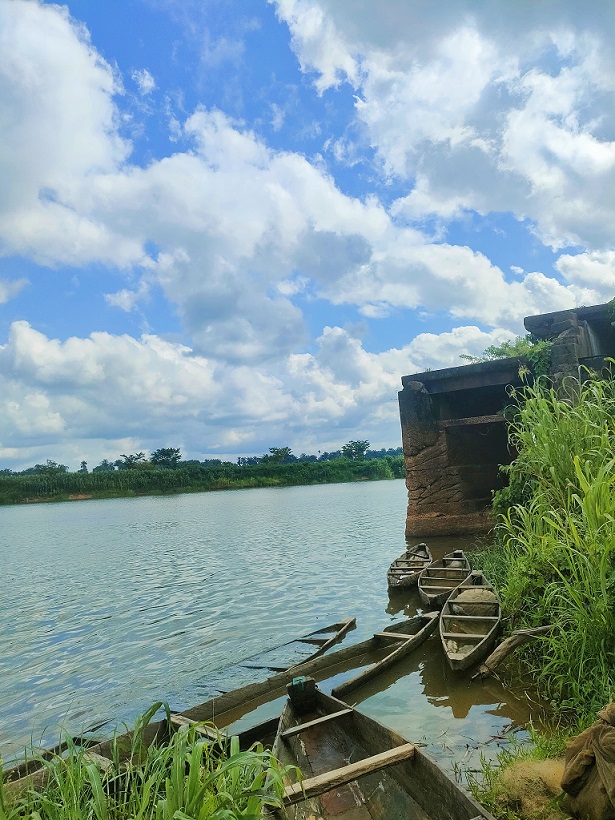
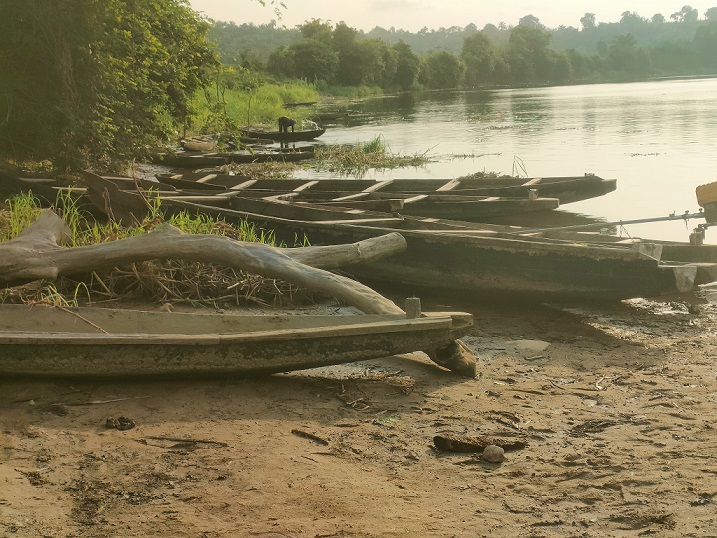
The Miller Wharf in Itu Clan, Akwa Ibom, is a historical waterfront landmark that played a significant role in the region's colonial trade and transport. As a former bustling port, it facilitated the movement of goods and people, connecting inland communities with broader trade networks. It stands as a testament to the area's economic history and its interactions with the outside world, a silent witness to Itu's past.

Why You Should Visit

For those interested in economic history, colonial trade routes, or the development of infrastructure in Nigeria, the Miller Wharf offers a fascinating glimpse into a bygone era. It's a place to imagine the bustling activity of a former port and to reflect on the historical flow of goods and ideas. It provides a unique perspective on the commercial evolution of Itu Clan and Akwa Ibom.
Read more

Highlights

  • Historical colonial-era wharf.
  • Significant for understanding colonial trade routes.
  • A tangible link to Itu Clan's economic history.
  • Offers insight into early transport networks.

Includes/Excludes

  • Shared tour
  • Hotel pickup and drop-off
  • Food

Cancellation policy

You can cancel up to 24 hours in advance of the experience for a full refund.

Frequently asked questions

What was the primary function of The Miller Wharf in Itu Clan?

It served as a crucial port during the colonial era, facilitating trade and the movement of goods and people along the waterways, making it an important historical economic site in Akwa Ibom.

Is the wharf still in use today for commercial purposes?

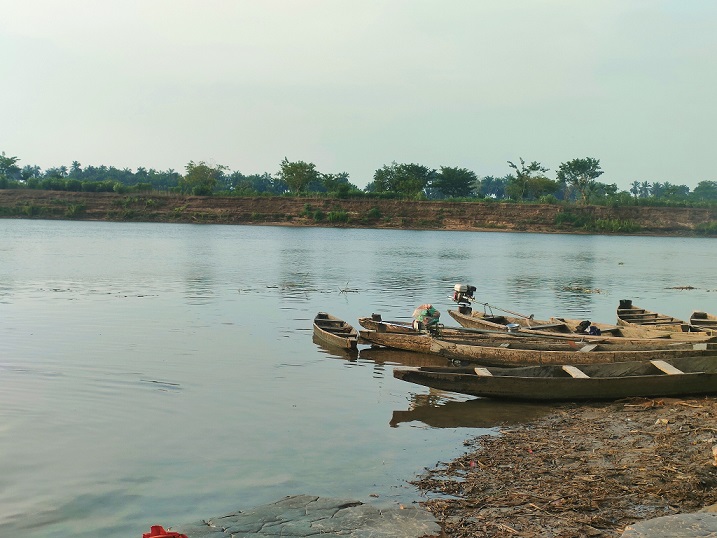
Its primary commercial function might have diminished, but it could still be used by local fishermen or for smaller boats.

Can I walk on the wharf or near the water?

Always exercise caution when near old structures and water bodies; ensure the area is safe for access.

What to bring

An interest in economic and colonial history.
Comfortable shoes for walking by the water.
Your camera for historical landmark photography.
Awareness of your surroundings near water.

You might also like...

Related Articles