





For decades, Black amputees had no clue how they could go about getting prosthetic body parts that looked just like them. It just was not there. Innovation catered only to lighter-skinned tones. For darker-skinned amputees, the texture was wrong. The limb worked, technically. But it never felt like theirs.
Immortal Cosmetic Art, headquartered in Uyo, Akwa Ibom State, Nigeria, changed that. It’s the first art gallery in Africa to produce hyperrealistic prosthetic body parts for Black-skinned amputees.
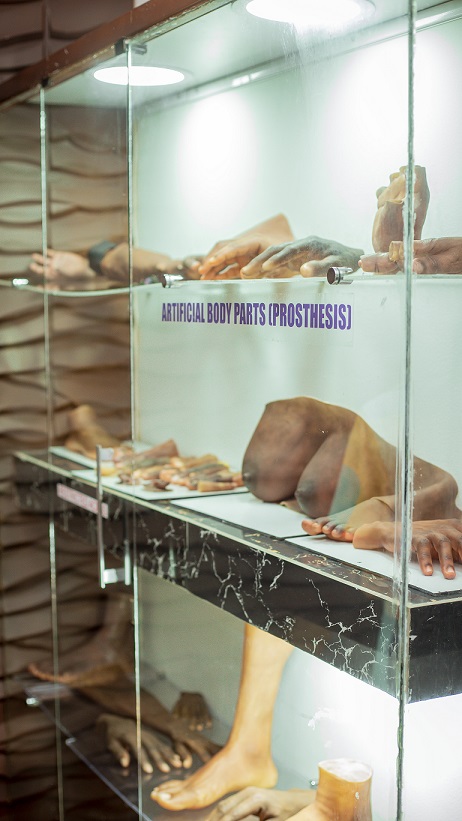
The Problem Nobody Wanted to Solve
The global prosthetics industry has long catered primarily to lighter skin tones. Commercially available prosthetic covers, the silicone or acrylic shells fitted over limb devices, were matched to a narrow range of complexions. For darker-skinned patients, the options were limited and emotionally distressing.
Black amputees didn’t just lose a limb. They lost the ability to blend in.
A prosthetic that doesn’t match your skin tone is a waste of time.
One Man, One Very Personal Reason
John Amanam, Founder and CEO of Immortal Cosmetic Art, is a Fine Art graduate of the University of Uyo, Akwa Ibom State, Nigeria. His entry into prosthetic design was driven by circumstance.
When his brother lost part of his hand in an accident, Amanam went looking for a prosthetic that could realistically replace what was lost. What he found was discouraging. The available options didn’t match his brother’s dark skin tone. They were close enough to be worn but not close enough to feel real.
That gap between what existed and what should exist became the foundation of Immortal Cosmetic Art.
Amanam didn’t have a background in medicine or bioengineering. In fact, he was originally a sculptor. Fortunately, art turned out to be exactly the right tool for the problem.
Where Sculpture Meets Healthcare
Immortal Cosmetic Art is not a hospital, nor is it a tech lab. It’s an art gallery, formally, and also a healthcare solutions company.
Every prosthetic piece they produce is crafted to match the individual client’s natural appearance. Their technicians study and recreate:
- Skin shade and undertone
- Vein patterns beneath the surface
- Wrinkle and crease texture
- Fingerprints
- Nail shape and surface
- Natural contours of the limb
Each piece is personal and carefully crafted. This level of attention to detail is what makes the innovation utterly ingenious: cosmetic medical art at its finest.
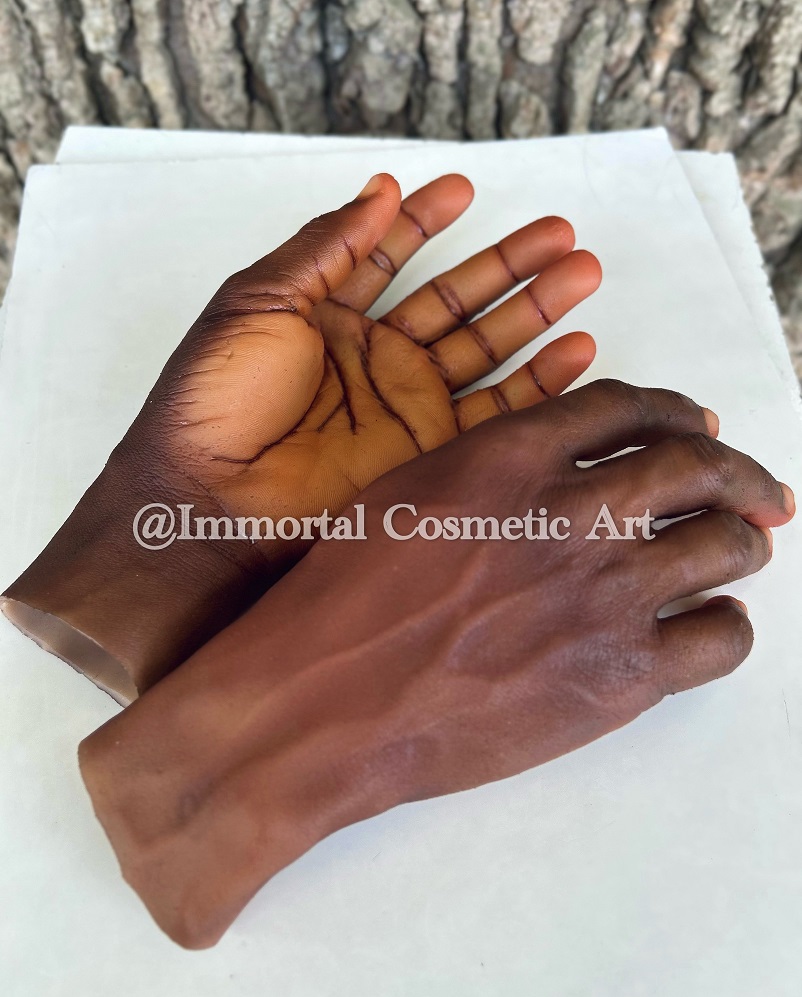
The scope of what Immortal Cosmetic Art produces extends well beyond fingers and hands. The gallery has created hyperrealistic prosthetics across multiple categories:
- Fingers and full hands
- Ears and noses
- Legs
- Breast prostheses
- Other body replacements requiring cosmetic precision
Immortal Cosmetic Art has helped thousands of amputees since its inception. Some lost limbs in accidents. Others were victims of malicious amputation. Some were born with limb differences. Others lost body parts to burns, cancer-related surgeries, or traumatic injuries.
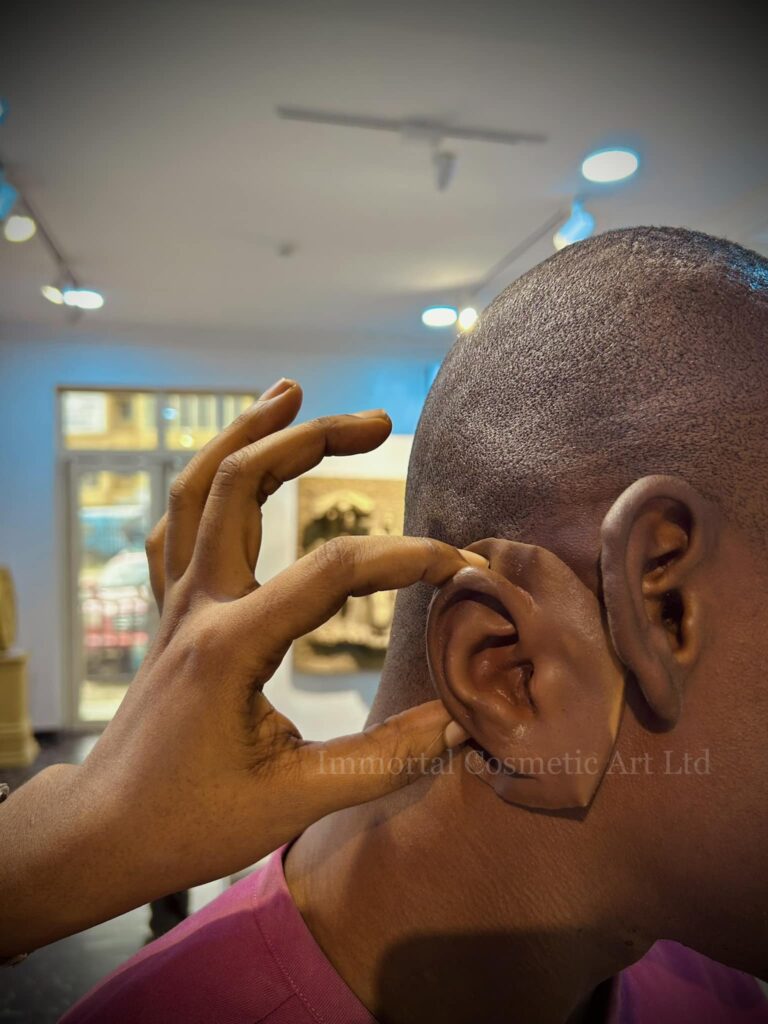
Nothing compares to the joy a client feels when they discover the prosthetic body part perfectly matches their dark skin tone.
Innovation From Uyo, Akwa Ibom State
A groundbreaking solution to a problem affecting millions of Black amputees worldwide came from the streets of Uyo, a city in southern Nigeria that rarely makes international innovation headlines.
John Amanam holds the sole patent for this hyperrealistic innovation. Truthfully, it’s a highly important acquisition for an African innovator working from a developing country such as Nigeria.
Immortal Cosmetic Art is a testament to the fact that greatness can happen in the most unlikely places. From the corners of Uyo, a solution was born that has changed the world.
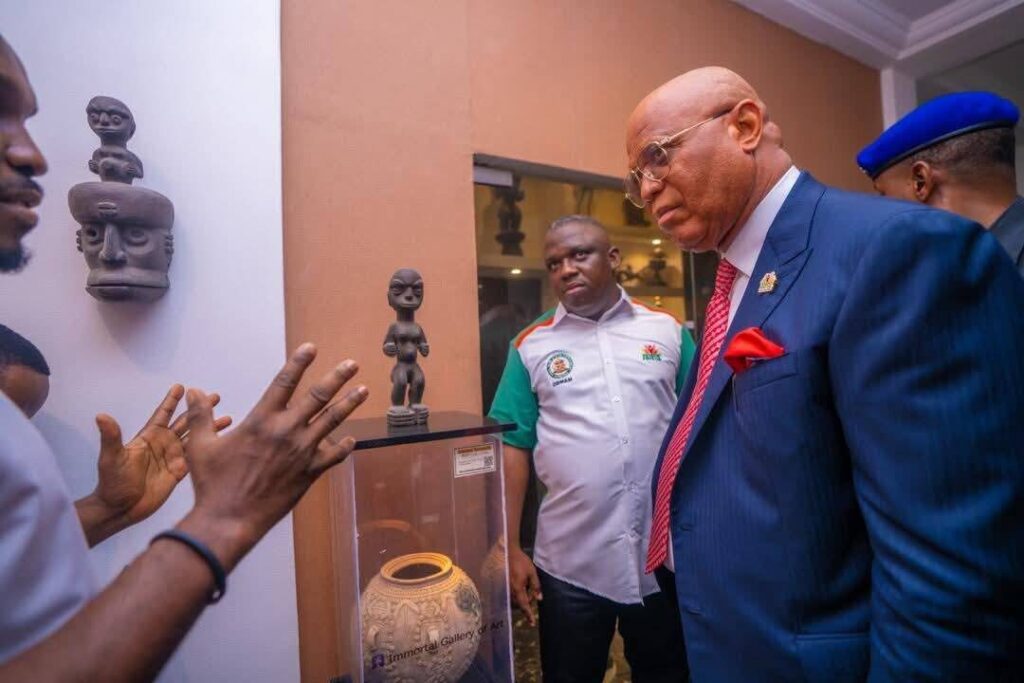
John Amanam is a highly sought-after innovator around the globe.
The Move Into Bionics
Immortal Cosmetic Art has grown beyond cosmetic restoration into functional bionics, where appearance and movement work together.
The company now produces humanoid bionic arms called “Ubokobong.” These arms respond to electromyographic (EMG) signals — electrical impulses sent from the brain through the nervous system. In practical terms, the arm moves in response to the wearer’s thoughts, much like a natural limb would.
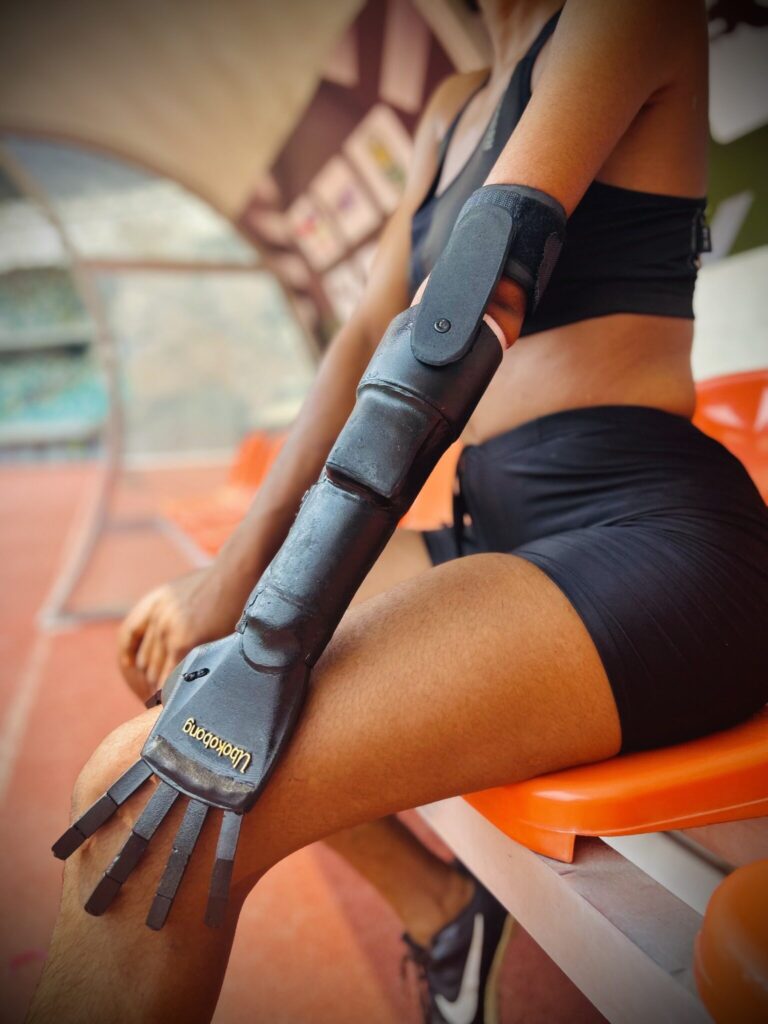
It’s something different altogether. Static prosthetics restore appearance. Bionic limbs restore both appearance and function.
John Amanam’s brother, Ubokobong, who was involved in the life-altering accident, is the pioneer technician behind the bionic arm named after him.
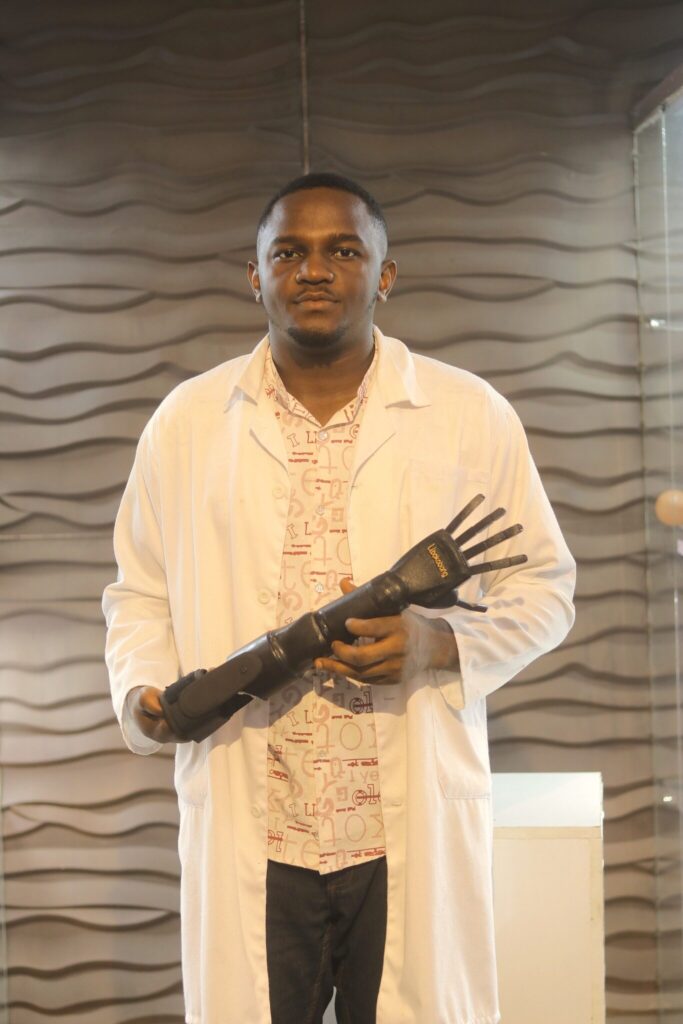
For Black amputees in Africa or anywhere around the world, a hyperrealistic bionic arm that matches their skin tone, moves when they think, and was made specifically for them is a total restoration of self.
In addition to hyperrealistic body parts, Immortal Cosmetic Art also displays modern and ancient artworks (antiquities) in its gallery.
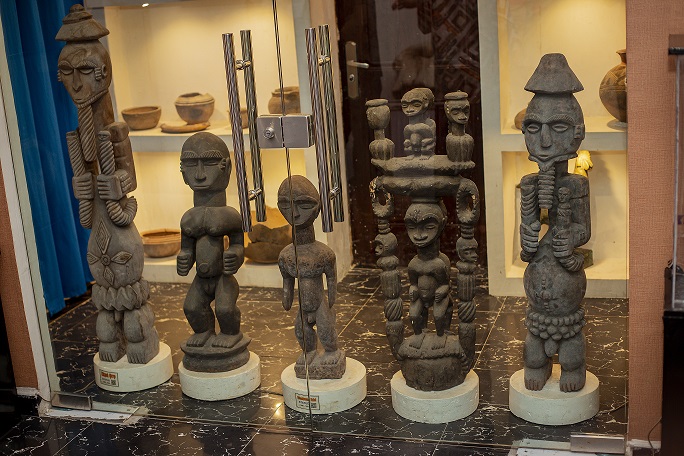
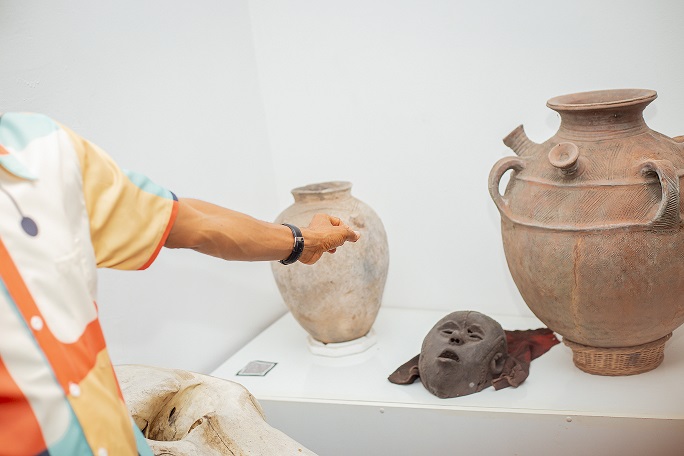
It’s one of the most beautiful places to visit in Uyo as a tourist.
To know more about Immortal Cosmetic Art or to use their services, kindly visit their website.