


Table of Contents
Lagos is a bustling city, but it’s also deeply rooted in history. Long before the skyscrapers and traffic wahala, Lagos was a fishing settlement. Then came Portuguese traders in the 15th century. The British followed. Each era left its mark.
Today, you can walk through buildings that witnessed Nigeria’s birth as a nation. You can stand where enslaved Africans took their last steps on African soil. You can explore museums that house pre-colonial artifacts and colonial-era relics.
These historical sites tell unique stories. They’re windows into Lagos’s soul.
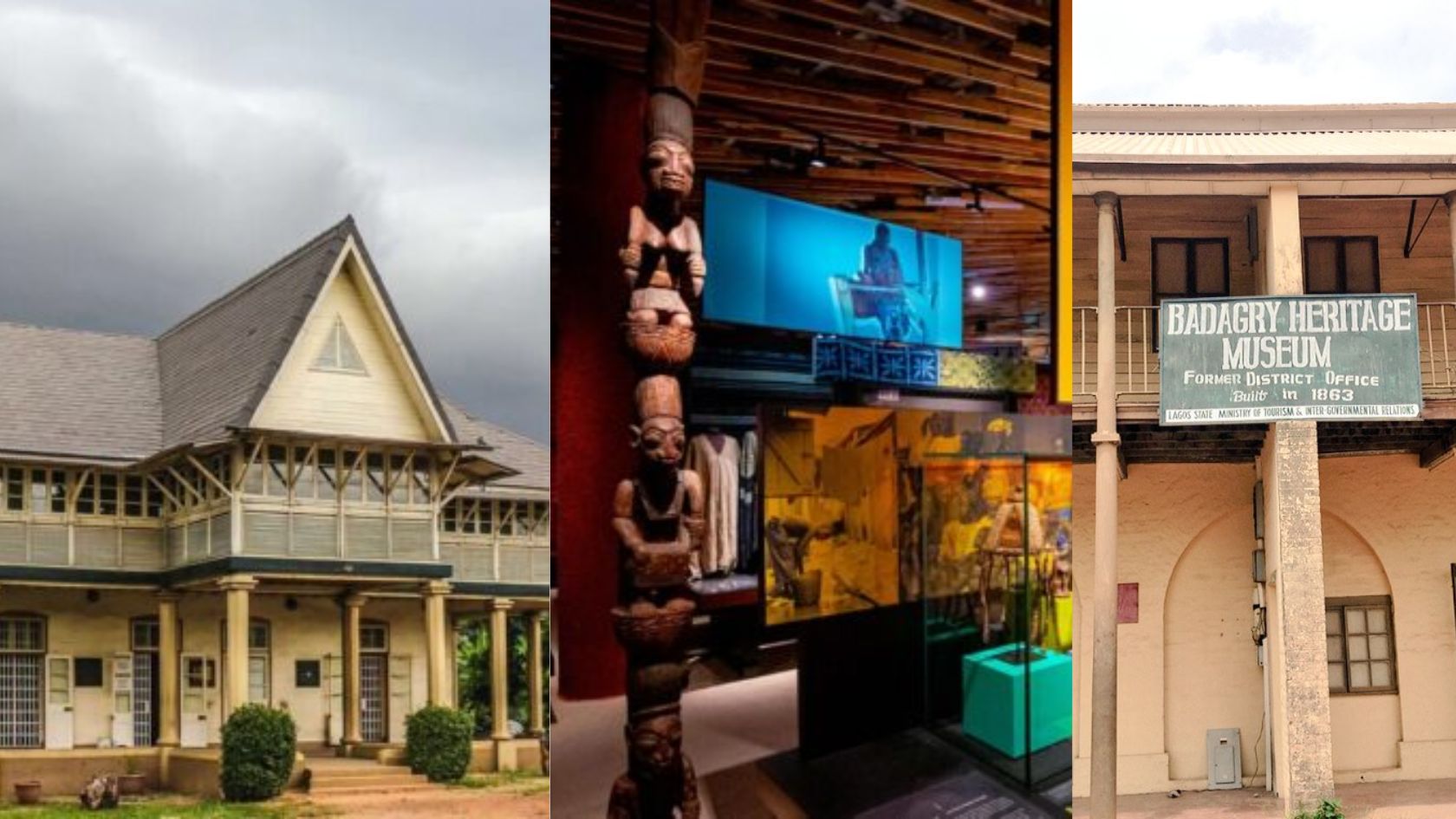
Discover the top historical places to visit in Lagos, Nigeria. Highly recommended for history buffs, curious travelers, or Lagosians who’ve never really explored their own backyard. Each destination comes with its own uniqueness.
1. Onikan House
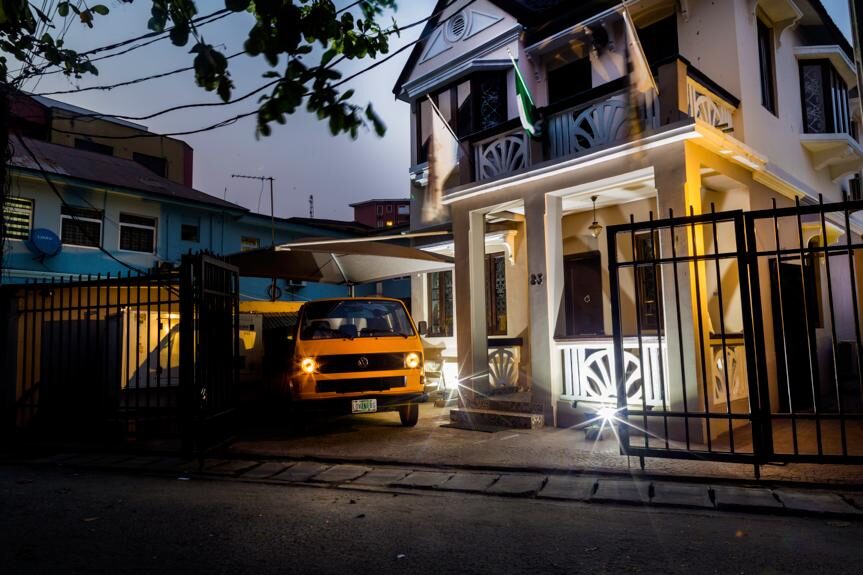
Location: 23 Military Street within the Onikan district of Lagos Island, Lagos.
Onikan House is a 1930s colonial-era building in the Onikan neighbourhood, showcasing Lagos’ history. The building itself has been repurposed into a multifunctional cultural centre and historical resource hub. Often associated with the “Loving Lagos” project, the house features an intimate and serene atmosphere that contrasts with the bustling city outside. Inside, you will find a specialized library filled with resources dedicated to the history of Lagos, multimedia lecture rooms for educational sessions, and a display of fascinating artifacts that tell the story of the city’s past. The space also includes a coffee shop and a gift store offering unique souvenirs, all set within an architectural style that reflects the colonial history of the island.
Why Visit
If you are looking for a deep, immersive dive into the history of Lagos beyond just surface-level tourism, then you should come here.
2. Badagry Heritage Museum
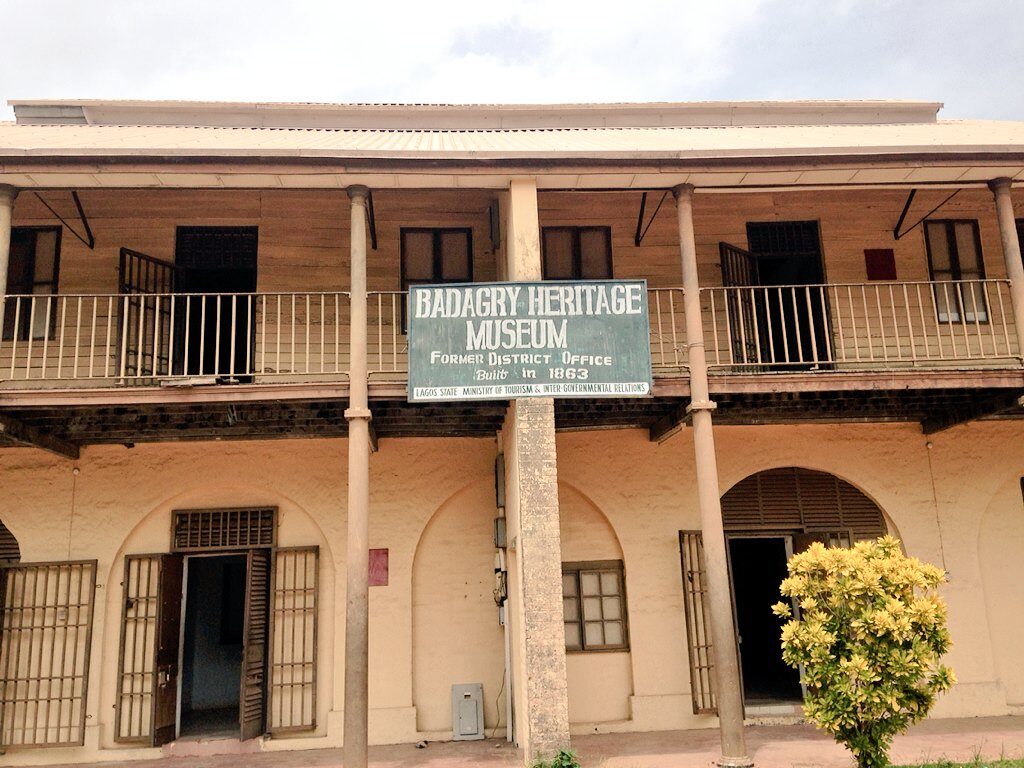
Location: Lander Road, Marina, Badagry, Lagos State (approximately 50km west of Lagos Island)
Badagry Heritage Museum takes you back to one of history’s darkest chapters. This town was a major slave trade port. The museum sits in the heart of Badagry, preserving this painful history. You’ll see chains and shackles used on enslaved people. Documents from slave traders. Maps showing slave routes. Personal items that belonged to both enslaved Africans and slave merchants.
The museum building itself dates back to the colonial era.
Why Visit
It’s an emotional experience that educates you on the realities of the slave trade in Nigeria.
3. Point of No Return Badagry
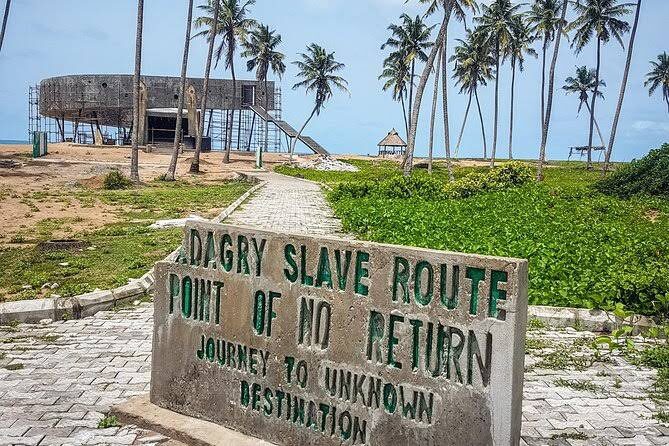
Location: Gberefu Island, Badagry, Lagos State
Point of No Return was a departure point for enslaved Africans. This site sits on Gberefu Island in Badagry. You’ll need to take a short boat ride to get there. A simple monument marks the spot where captives boarded ships headed for the Americas. They never returned. The site overlooks the Atlantic Ocean. The water stretches endlessly before you.
The atmosphere is emotionally heavy. You can almost feel the despair that hung in the air centuries ago.
P.S. Walking the same path those enslaved people walked can be haunting.
Why Visit
Visiting the Point of No Return connects you to millions of Africans whose stories were erased by slavery. It’s a pilgrimage you should make at least once.
4. First Story Building in Nigeria
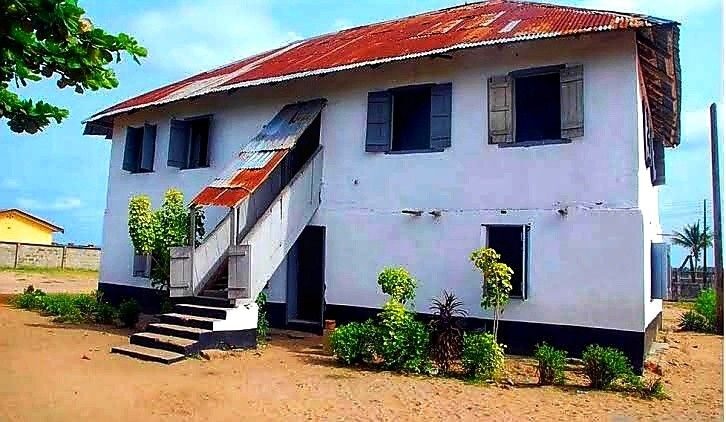
Location: Badagry Town, Lagos State
First Story Building in Nigeria stands in Badagry. It was built in 1845 by Reverend Henry Townsend, a Christian missionary. This building introduced the concept of multiple floors to the region.
The architecture is distinctly colonial. It overlooks the marina and has stood the test of time. Inside, you can see the room where the first Bible was translated into Yoruba by Bishop Samuel Ajayi Crowther. The creaking floorboards and cool breeze from the ocean transport you back to the 19th century.
It served as a missionary residence and later a school. The building has been preserved and turned into a museum.
Why Visit
You’ll get insight into missionary life in colonial Nigeria. The exhibits explain how Christianity spread in the region.
5. Jaekel House Ebute Metta
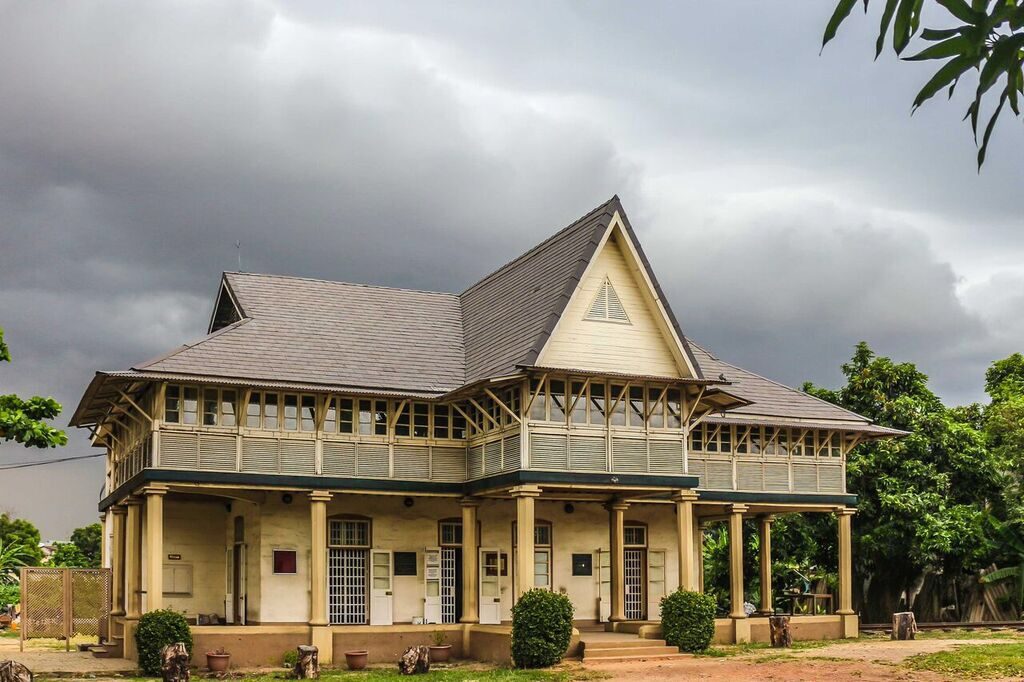
Location: 17 Federal Road, Ebute Metta, Lagos Mainland
Jaekel House is a beautifully restored colonial mansion. It was built in 1898 and now serves as a railway museum. The house is surrounded by a large, lush garden that feels miles away from the city drama. It features vintage photos, old railway tools, and even a bell you can ring. The architecture is charming and very Instagram-worthy.
Why Visit
Visit to learn about and get a feel of the railway era. It is one of the best-kept secrets in Lagos, offering a quiet, romantic spot for a picnic or a stroll. You get to learn about how the railways connected the country.
6. Fela Kuti Kalakuta Museum
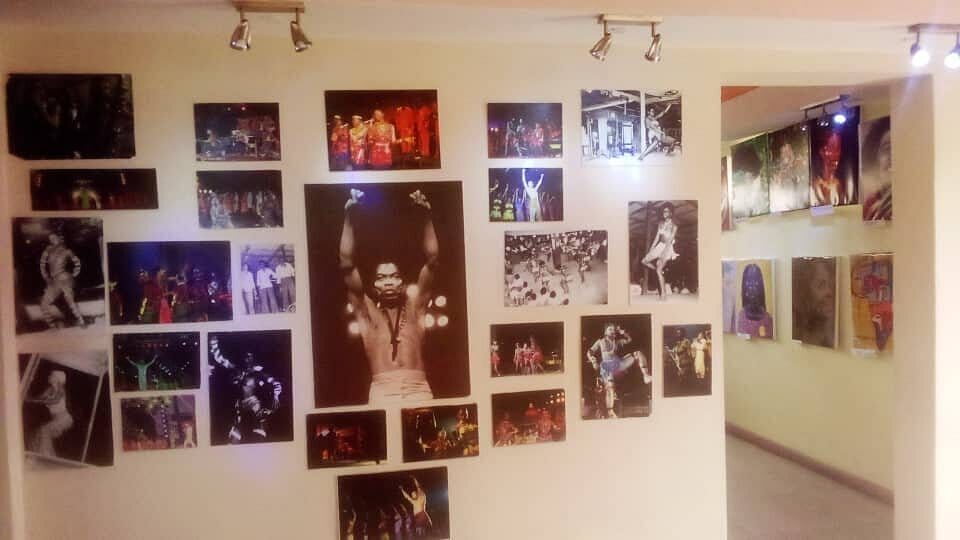
Location: 7 Gbemisola Street, Allen Avenue, Ikeja, Lagos
Fela Kuti Kalakuta Museum is the former home of the Afrobeat legend, Fela Anikulapo Kuti. He resided here in the 1970s and declared it an independent republic—the Kalakuta Republic. His music was used as a weapon to challenge the military government, who raided and burned his house in 1977. Fela’s mother died from injuries sustained during the raid. Graffiti and murals cover the walls. They celebrate Fela’s legacy and pan-African ideals.
The house has been preserved just as he left it, filled with his personal items, stage clothes, and shoes. You can visit his bedroom, which is a deeply personal experience. The museum also includes a rooftop terrace where you can relax and soak in the vibe.
Why Visit
You visit to pay homage to a musical genius who spoke truth to power. It is an inspiring place that celebrates freedom of expression.
7. John Randle Centre for Yoruba Culture and History
Location: Onikan, Lagos Island (Near the National Museum)
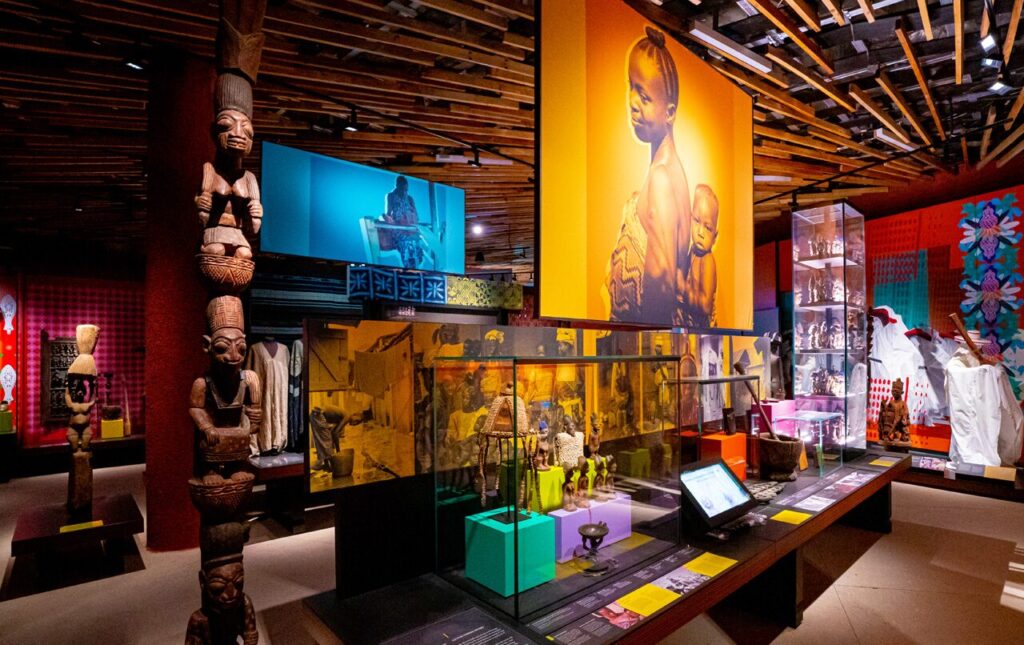
John Randle Centre celebrates Yoruba heritage and culture. Dr. John Randle was a prominent Nigerian physician and nationalist. The centre was established in his honour. The building showcases traditional Yoruba architecture. Carved wooden pillars. Open courtyards. Thatched roofing in some sections.
Inside, you’ll find exhibits on Yoruba history, festivals, religion, art, and royal lineages. You’ll also find traditional Yoruba costumes, musical instruments, ritual objects, and historical documents. The centre also functions as a cultural hub. It hosts Yoruba language classes, traditional dance performances, and cultural workshops.
Why Visit
If you want to understand Yoruba culture deeply, start here. The exhibits are well-organized and informative. You’ll learn about Yoruba cosmology, social structures, and traditions. It’s especially valuable for Yoruba people reconnecting with their roots. Non-Yorubas will gain appreciation for one of Nigeria’s largest ethnic groups.
8. Bookshop House and Herbert Macaulay Statue
Location: Broad Street, Lagos Island
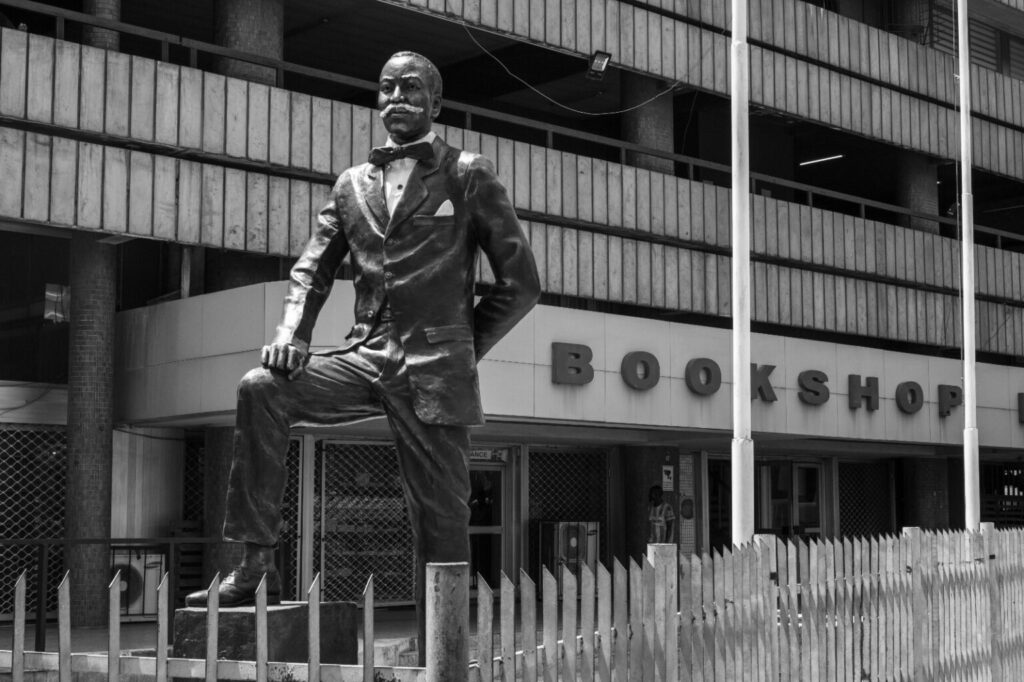
Bookshop House and Herbert Macaulay Statue are significant monuments in Lagos. The historical building is accompanied by the statue of Herbert Macaulay, a towering figure in Nigerian nationalism. The statue depicts him in characteristic pose—dignified and determined. These monuments represent a powerful blend of intellectual history and political struggle, making them interesting Lagos attraction.
Why Visit
Visit to get a glimpse into Nigeria’s fight for independence and the intellectual movements that fueled it. The area has other colonial buildings. You can do a self-guided walking tour.
9. National Museum Lagos
Location: Onikan, Lagos Island
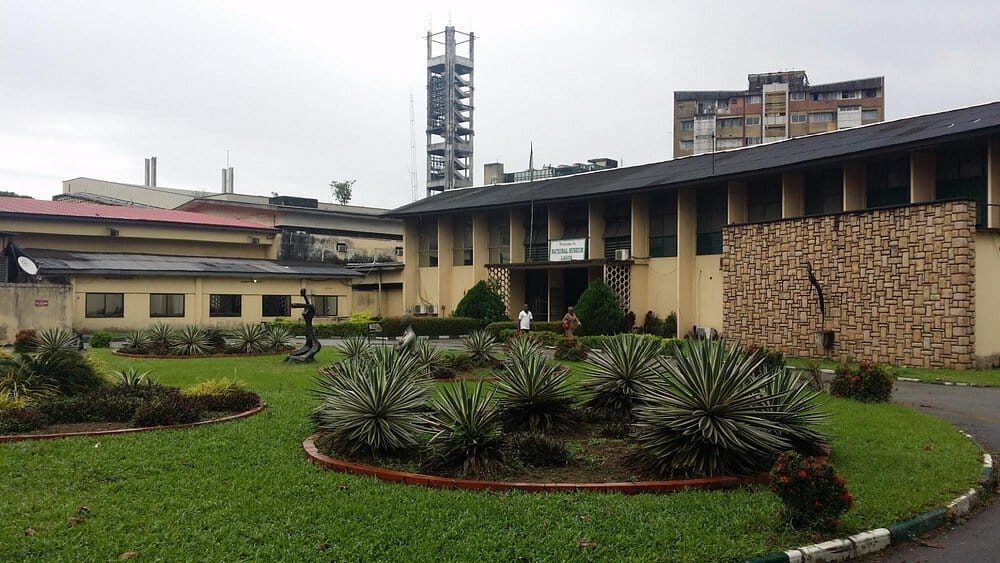
National Museum Lagos sits proudly on Awolowo Road in Onikan. It opened in 1957 and remains Nigeria’s oldest museum. Inside, you’ll find artifacts spanning thousands of years. Pre-colonial pottery. Bronze sculptures from Benin Kingdom. Terracotta heads from Nok culture. Traditional musical instruments. Royal regalia from various Nigerian kingdoms.
The museum also houses items from Nigeria’s colonial period and independence era. There’s a section dedicated to Nigerian art and culture across different ethnic groups.
Why Visit
This museum almost gives you Nigeria’s entire history in one building. Seeing the craftsmanship of centuries-old artifacts up close is a humbling and awe-inspiring experience.
10. Wole Soyinka Centre For Culture & Creative Arts (National Arts Theatre)
Location: Iganmu, Surulere, Lagos
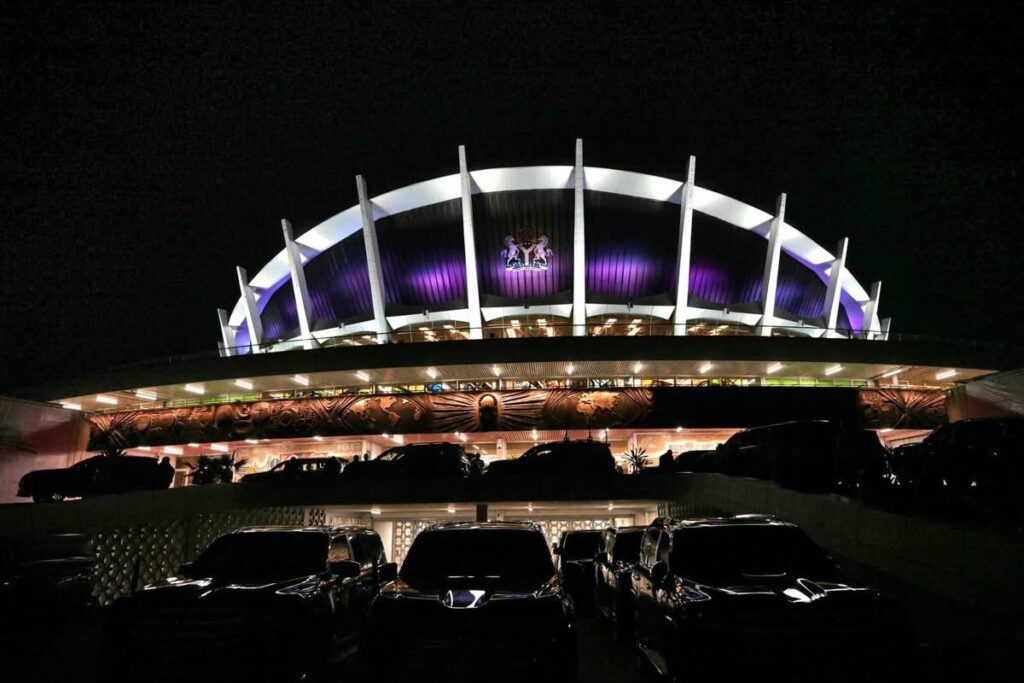
National Arts Theatre is Lagos’s most iconic cultural landmark. The building opened in 1977. It has a unique architecture—a massive structure designed to resemble a military hat. It was built for FESTAC ’77, a major Black arts and culture festival that brought together African diaspora artists.
Inside, there are multiple halls for performances: theatre, dance, music, and art exhibitions. The complex was renovated and renamed the Wole Soyinka Centre For Culture & Creative Arts, in honour of Nigeria’s Nobel laureate.
Why Visit
This building is an architectural wonder. Nothing else in Lagos looks like it. It represents Nigeria’s commitment to arts and culture in the post-independence era.
Final Thoughts
There you have it: the top historical places worth visiting in Lagos, Nigeria. They show you the Lagos that struggled and celebrated.
You don’t need to visit all in one day. Pick two or three. Take your time. Learn.
Most importantly, visit with an open heart. History isn’t just dates and facts; it’s people, stories, struggles, and triumph.
Ready to explore more of Lagos? Check out all the major tourist attractions in Lagos – from record-breaking sites to cultural landmarks, beach resorts to entertainment venues, Lagos has so much more to offer!
Join our WhatsApp Channel – Oh, it’s fun there! Come see for yourself.