

Table of Contents
Just two and a half hours from the bustle of central Lagos lies one of Nigeria’s most intriguing destinations: Badagry!
Badagry is popular for its slave history. Hundreds of thousands of Africans were transported across the Atlantic through the creeks of Badagry. The city is dotted by coconut palms and a silence that feels earned.
If you have two days to spend here, you will not run out of experiences.
This 2-day Badagry itinerary is designed to give you everything: the heritage, the ocean, the food, and the rest. It is built around the best places to visit in Badagry, with honest lodging picks for every kind of traveler.
Before You Arrive: Quick Things to Know
Badagry sits at the southwestern edge of Lagos State, bordering the Republic of Benin. Getting there from Lagos takes about 2 to 3 hours by road via the Badagry Expressway. Go early to beat traffic.
Alternatively, a speedboat from Apapa takes roughly one hour, and that ride alone is worth it.
Hire a knowledgeable local guide for the slave route. The oral history they carry adds something no signboard can. Your hotel can usually arrange this for you, or we can.
Pack light but bring: comfortable walking shoes (Gberefu Island has deep sand), sunscreen, a hat, cash, and an open heart.
Where to Stay in Badagry
Choosing the right place to stay makes your whole trip easier. Here are four strong options across different budgets and vibes.
1. Whispering Palms Beach Resort
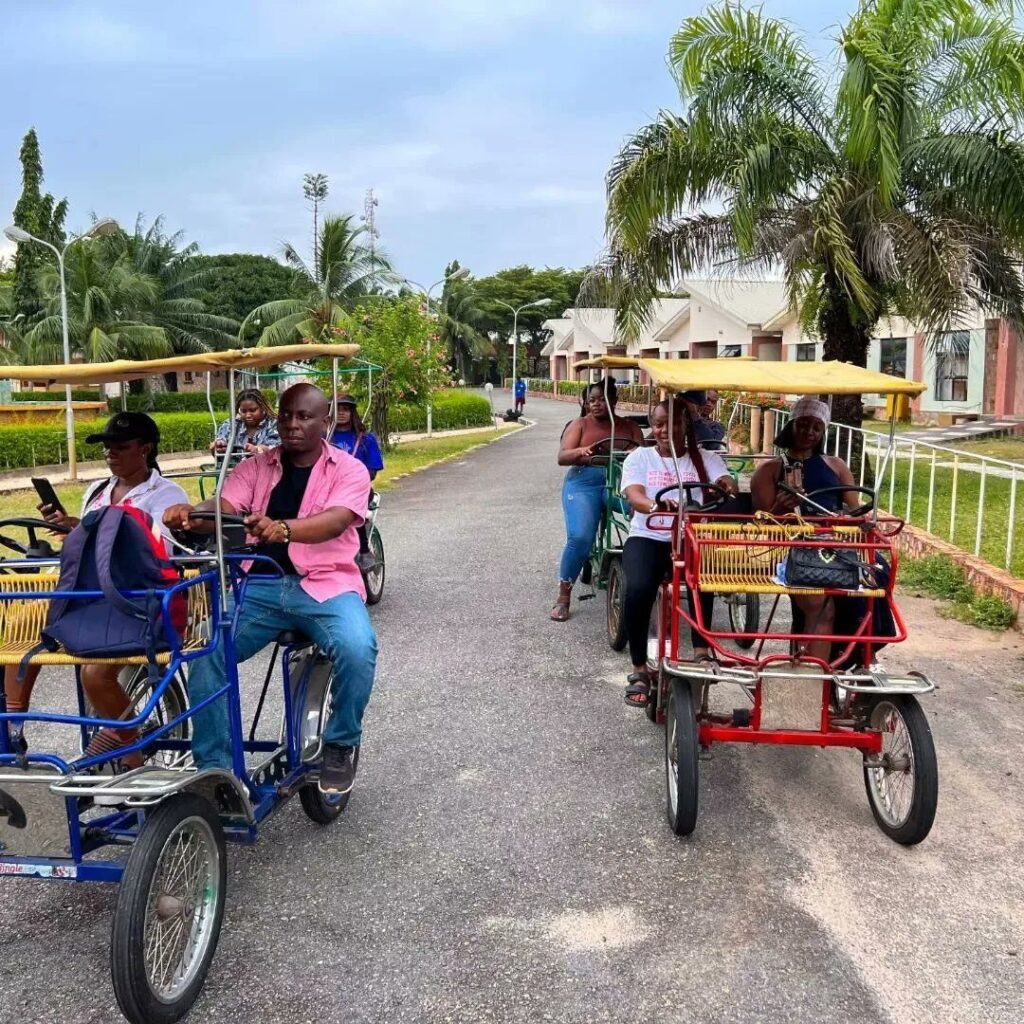
Whispering Palms Beach Resort is one of the most established resorts in Badagry. It sits on the lagoon, on Iworo Road off the Lagos-Badagry Expressway (Aradagan Bus Stop). Tall palm trees and a breezy waterfront atmosphere surround it. It has over 100 rooms, ranging from standard to spacious Marina rooms, that can accommodate families and groups. The Marina rooms are nearly twice the size of a standard hotel room. There is a swimming pool, a gym, a basketball court, a lagoon bar, and an in-house cinema.
Whispering Palms actively organizes guided trips to Badagry’s slave heritage sites, including the Point of No Return. You can arrange the entire Day 2 historical tour right from the front desk. The resort is also a 20-minute drive from the Slave Museum House, making it the most strategically placed base for this itinerary.
2. Rosh Beach Resort
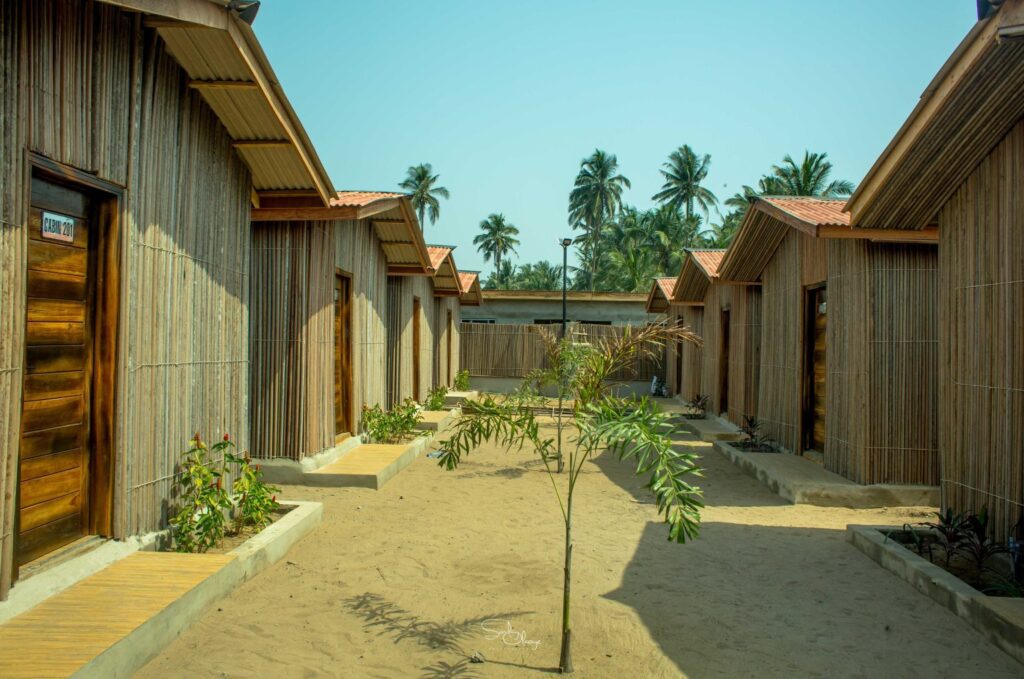
Rosh Beach Resort is a private beach resort set along the Badagry-Seme Expressway, toward the border with Benin Republic. It is three-star rated but operates with five-star service energy. The resort offers 8 exclusive beachfront cabins, 7 short-let cabanas, and 5 tent options for those who want something more adventurous.
It has a large family swimming pool, a Coco Bar by the poolside, live music and entertainment, a playground for children, and an on-site restaurant serving Nigerian and international cuisine. All food is cooked to order. The resort has a festive and social vibe.
Rosh is also very close to Suntan Beach (aka Badagry Coconut Beach), which features in your Day 1 plan.
Sail Harbour Resort Community
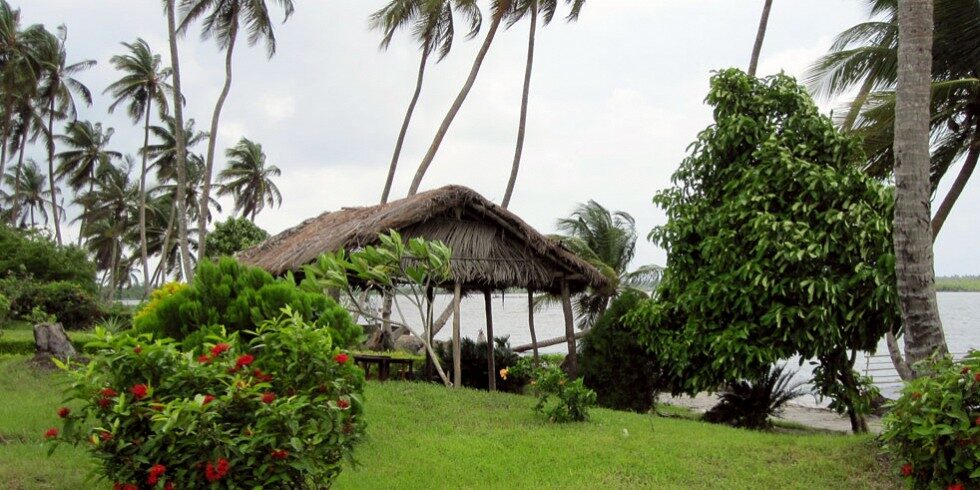
This one is genuinely different from everything else in Badagry. Sail Harbour is Nigeria’s first sustainable agro-resort, and it sits on Ago-Ajo, Iworo Village, right on the Badagry Creek, surrounded by two islands. You can only reach it by a 50-minute boat ride from Lagos Island, and that’s part of the fun.
The resort runs a farm-to-table dining program in partnership with RBA Farms, which means the food on your plate was likely grown nearby. It is surrounded by indigenous vegetation, water on all sides, and the kind of quiet you would love. Guests have described it as an unparalleled oasis of calm and natural beauty.
FAMS Embassy Suites
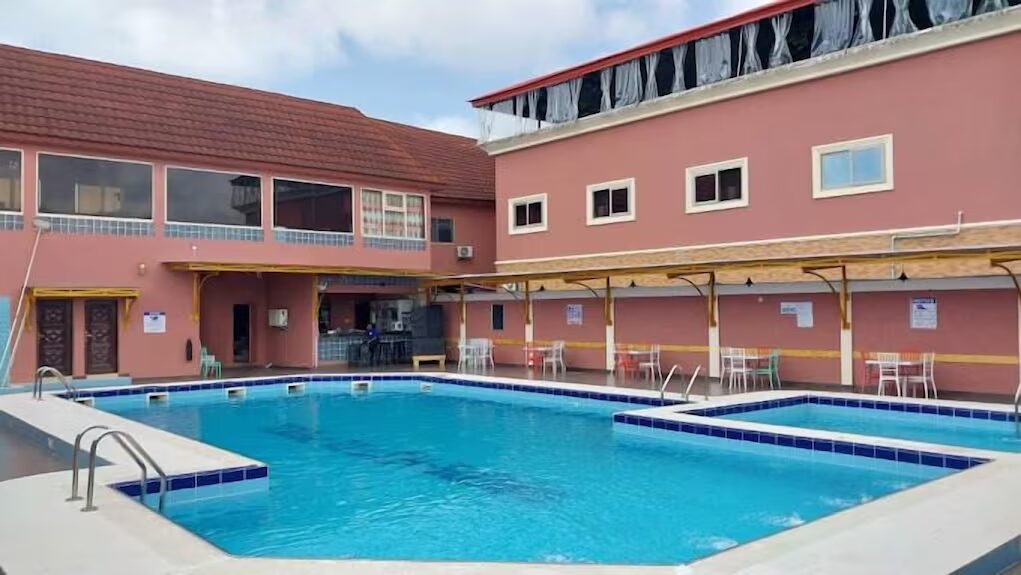
FAMS Embassy Suites is widely considered the most premium hotel in Badagry. The building sits on the Lagos-Badagry Expressway in Ibereko and lights up the neighbourhood with its luxury.
It offers 50 rooms across five categories: Superior Rooms, CityView Rooms, FAMS Suites, and Executive Suites. The Penthouse Suite delivers panoramic views of Ibereko and Badagry on one side and the Atlantic Ocean on the other. There is a standard swimming pool, gym, VIP lounge, conference rooms, a restaurant, and daily WiFi included in the room rate. Children under 12 stay free when accompanying their parents.
Day 1: Beach, Coconuts, and Settling In
Take it easy on your first day. Do not rush. Let Badagry breathe into you.
Morning: Arrive and Check In
Get on the road by 6 AM from Lagos or earlier. Traffic on the Badagry Expressway can build fast, especially on weekends. The earlier you leave, the smoother the drive. If you are coming by speedboat from Apapa, a one-hour ride gives you breakfast views of the Lagos coastline.
Check in, drop your bags, and have breakfast at your resort. If you are at Whispering Palms, try the grilled fish and jollof rice. Yes, for breakfast. This is Nigeria, and this is vacation.
Midday: Badagry Coconut Beach (Suntan Beach)
Locally called Suntan Beach, Badagry Coconut Beach is the crown jewel of Day 1. This stretch of coastline is lined with palm trees, and the sand is the kind you want to walk barefoot through.
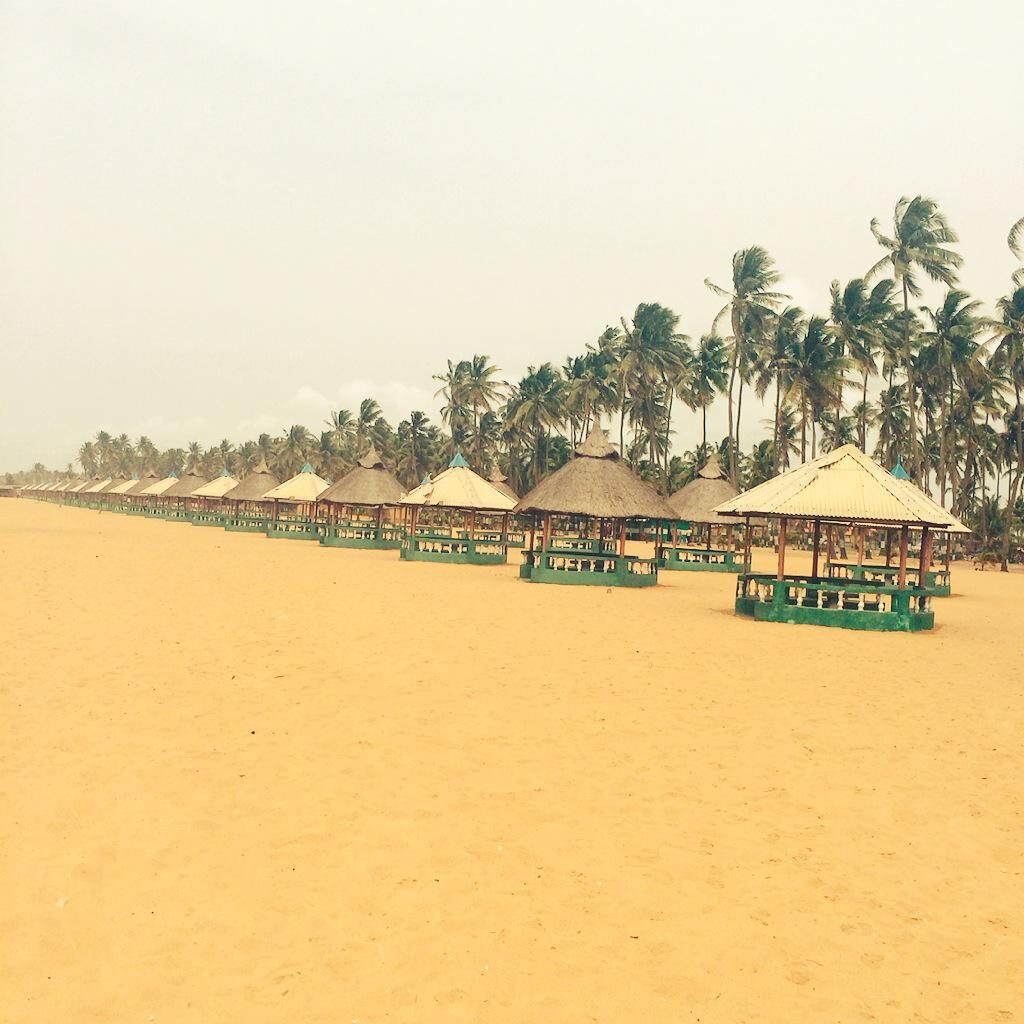
Suntan Beach is one of the best places to visit in Badagry. It is quieter than most Lagos beaches. Rent a deck chair and sit by the ocean, with your family or friends. Order coconut water from the vendors. Swim if the current allows. Always ask a local first.
Spend two to three hours here. This is decompression time. The next day, your trip will require a lot of emotions.
Afternoon: Explore Badagry Town
After the beach, head into Badagry town for a slow afternoon walk. Stop by local market stalls. Try bole and fish from a roadside spot, roasted plantain with pepper sauce, and fresh Atlantic fish. It is a signature Badagry snack and costs little.
Look out for the First Storey Building in Nigeria, built in 1845 by Reverend Henry Townsend of the Anglican Church. It’s one of the coolest tourist attractions in Badagry and has a unique history.
Also nearby is the Agiya Tree Monument, a site where the first recorded Christian sermon in Nigeria was preached in 1842. Colonial history and slavery history are interrelated in Badagry.
Evening: Dinner and Rest
Head back to your resort by sunset. If you are at Whispering Palms, sit by the lagoon bar for sundowners. At Rosh Beach Resort, the Coco Bar by the poolside is ideal. At FAMS Embassy Suites, the VIP lounge offers cocktails and calm.
Eat dinner early. Sleep well.
Day 2: The Heritage Route
It’s advisable to start your journey early. Start by 8:30 AM. The heritage sites are best explored before the afternoon heat sets in.
Stop 1: Vlekete Slave Market (9:00 AM)
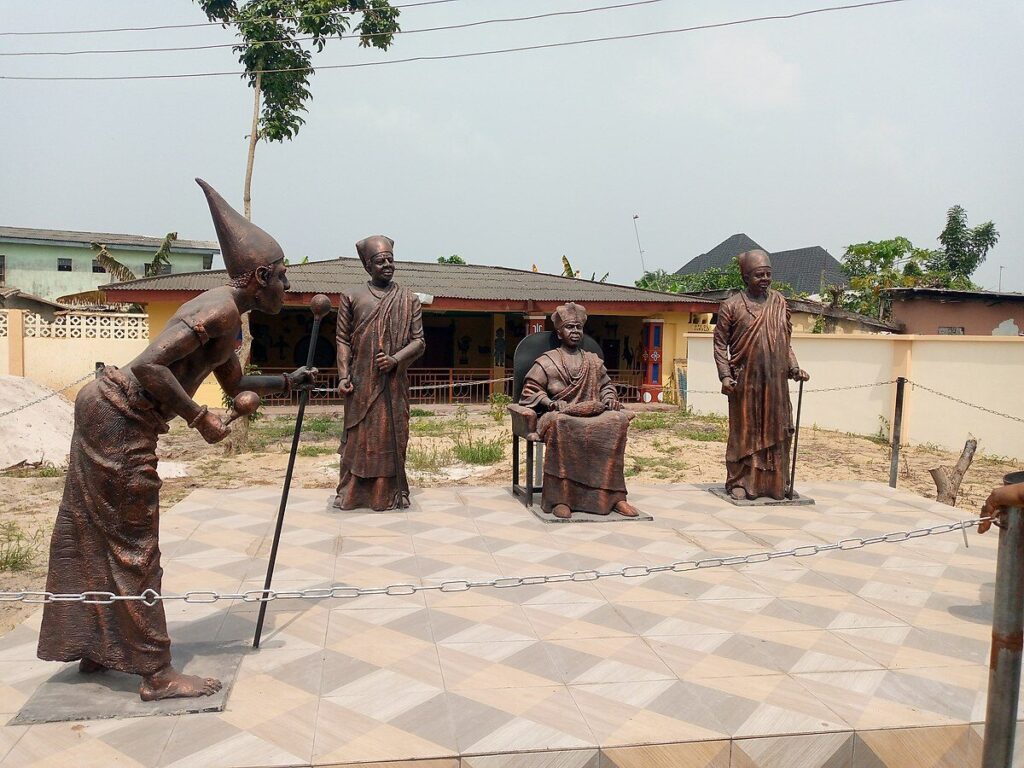
The Vlekete Slave Market is where the transatlantic slave trade began in Badagry. This was the auction ground where captured Africans were inspected and sold to European traders in exchange for guns, mirrors, alcohol, and cloth.
You will find monuments erected at the site to depict the trading that typically took place here centuries ago.
Stop 2: Mobee Family Slave Relics Museum (9:45 AM)
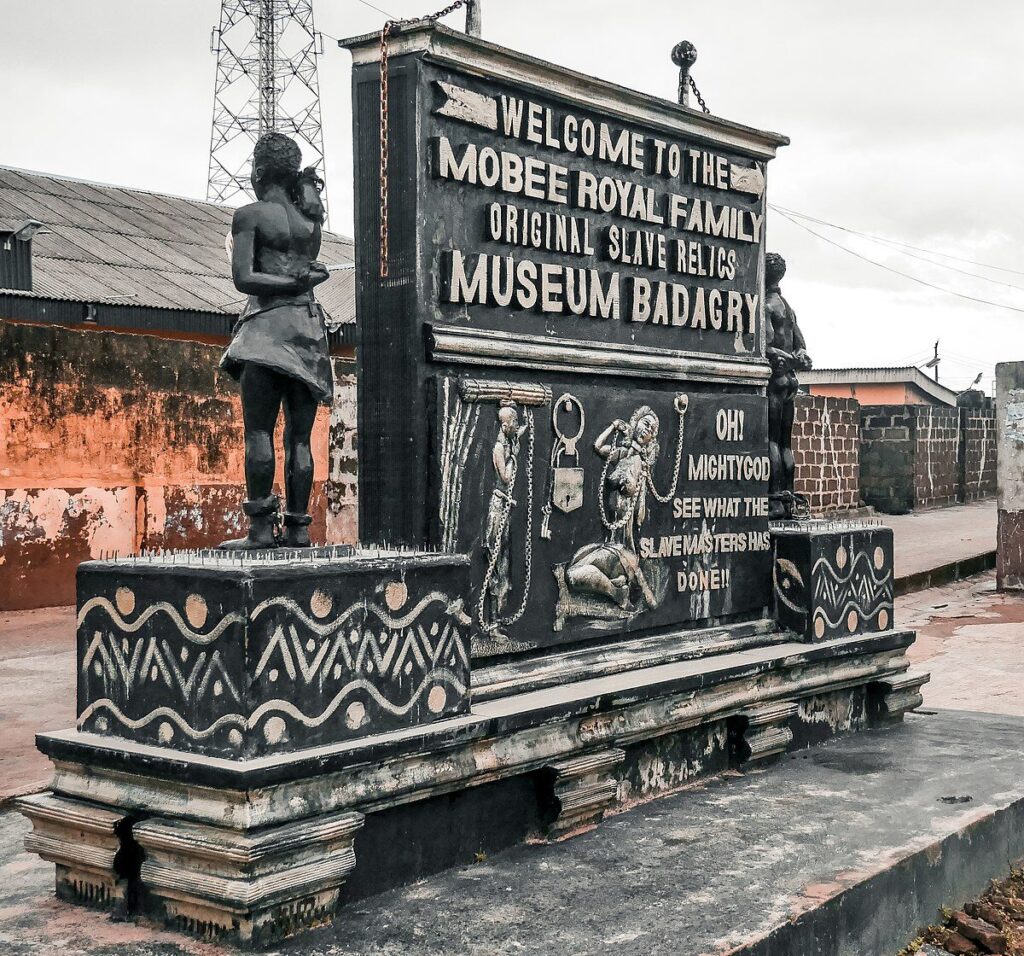
Next, visit the Mobee Family Slave Relics Museum. This museum belongs to the family of Chief Sunbu Mobee, the local chief who famously traded his own people with Portuguese slavers in exchange for valuables.
Inside, you will find the actual tools of the trade: neck chains, ankle irons, shackles, and the goods that were exchanged for human lives. The museum does not protect the Mobee family name. It documents it, including the brutality they participated in.
Stop 3: Seriki Williams Abass Barracoon (11:00 AM)
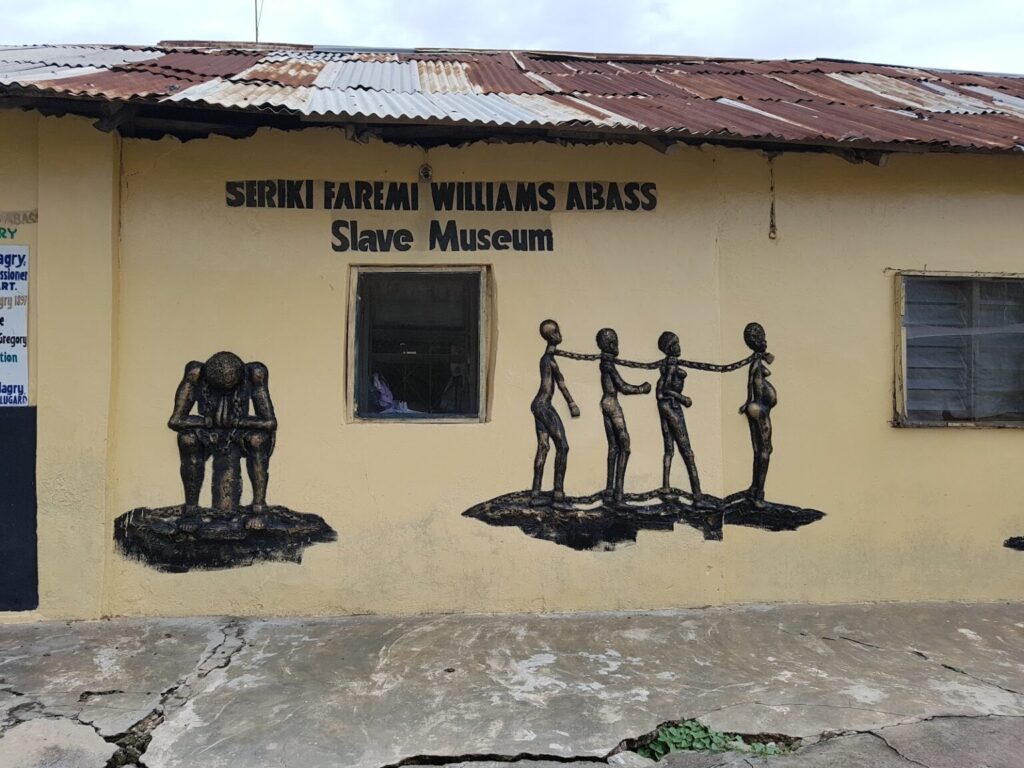
The Seriki Williams Abass Brazilian Barracoon is one of the most emotionally intense stops on the route. Built in the 1840s, it was a holding facility for enslaved people waiting for ships.
It contains 40 rooms, each approximately three meters by three meters. Each room held up to 40 men, women, and children, all chained. For weeks, sometimes months. One window near the ceiling for ventilation.
Seriki Williams Abass was himself a formerly enslaved man. He was taken to Brazil, returned to Badagry, and became a slave trader.
There are two cells here: one for men, one for women.
Stop 4: Badagry Heritage Museum (12:00 Noon)
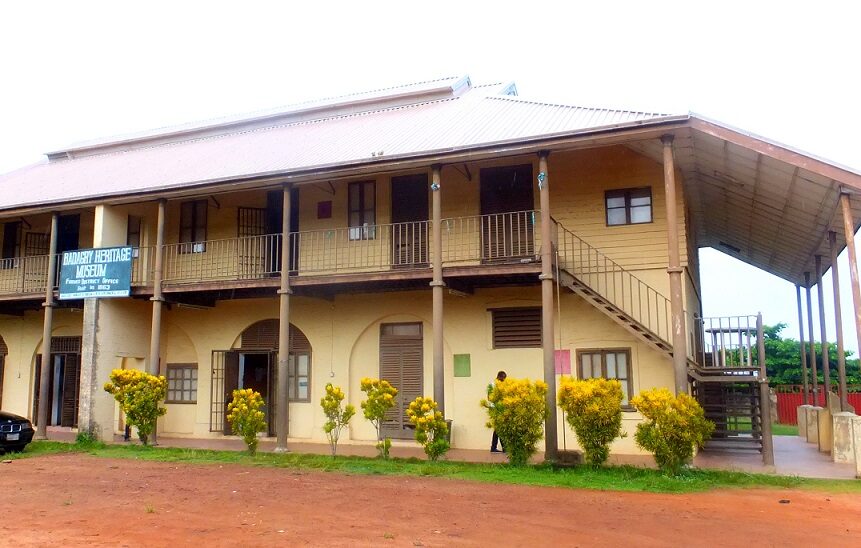
The Badagry Heritage Museum (also called the Black Heritage Museum) is the most comprehensive of the city’s historical institutions. It covers the full arc of the slave trade—from inception to abolition—with artifacts, photographs, maps, and documents.
You can visit the section on the abolitionist movement and the return of freed slaves from Brazil to West Africa. The Afro-Brazilian community of Lagos, including the founders of the Aguda community, have direct ties to Badagry’s slave history. That story connects Nigeria to Brazil in many ways.
Midday Break: Eat Before the Island
Before you cross to Gberefu Island, eat something. The walk to the Point of No Return is physically and emotionally demanding. Badagry town has interesting food spots near the museum. Ask your guide for a local recommendation.
Stop 5: Spirit Attenuation Well (on the route to Gberefu) (1:00 PM)
On your way to the boat crossing, your guide will bring you to the Spirit Attenuation Well. It’s practically the most psychologically striking stop on the entire route.
Before enslaved Africans were taken to the ships, they were given water from this well. Local shamans and chiefs had charmed the well. The water was believed to erase the drinker’s memory of their homeland, their language, their family, and their identity. It was said to take effect three months into the voyage.
This was literally spiritual warfare against the enslaved, in addition to chains.
The well is still full. Local people are still afraid to drink from it. No one has drawn water from it for over a century.
Stop 6: Gberefu Island and the Point of No Return (1:30 PM)
You reach Gberefu Island by a short boat crossing, two to five minutes across the water. Then you walk.
The path from the Gberefu jetty to the Point of No Return takes 15 to 30 minutes on foot through deep sand, lined with palms on either side.
At the end of the path, the land opens up onto the beach, and the Atlantic stretches out in every direction. This is where it happened. This is the last ground these people stood on as free Africans. Beyond the waterline, there was no return.
The Point of No Return monument stands here. The inscription carries enormous weight.
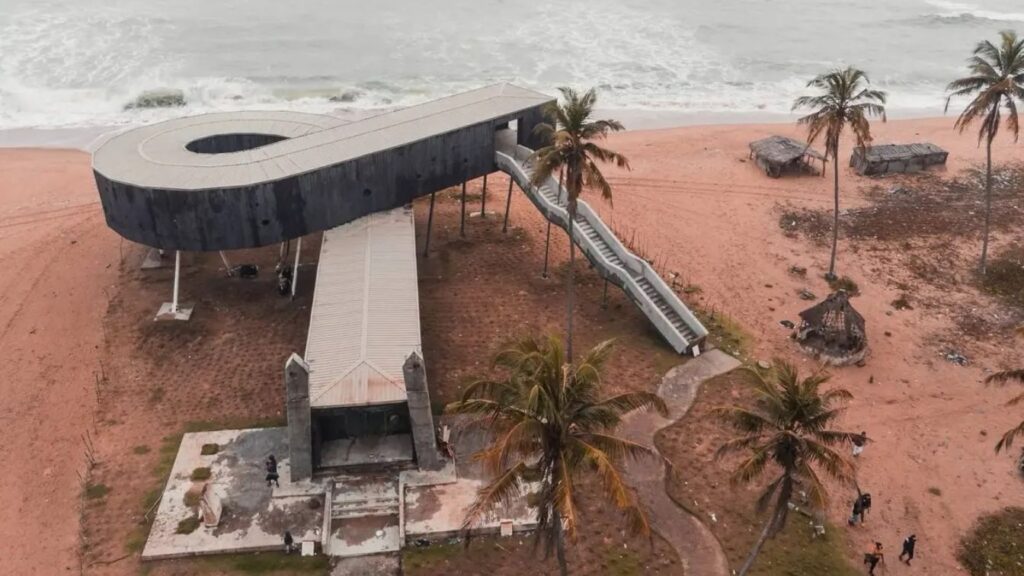
On the same island, look for the Door of Return monument, erected in 2017 as part of Nigeria’s Diaspora Festival in Badagry. Every year, African Americans, Afro-Caribbeans, and Black Europeans come here to walk this path and stand at this door. Not only as tourists, but as descendants.
And that’s it! The best places to visit in Badagry! Head back to your base and reflect.
Practical Tips for Your 2-Day Badagry Itinerary
When to go: October to March offers cooler weather and lighter rain. December draws the largest diaspora crowd, especially for the Badagry Diaspora Festival, which is worth planning around.
How to get around Badagry: PLACES can help you arrange car hire services, which is the most convenient option. The Badagry slave attractions are clustered enough to walk between, but Gberefu Island requires a boat. Budget roughly NGN 3,000–NGN 5,000 for the boat crossing.
Photography: Most heritage sites allow photography, but always ask your guide first. At some spots, especially inside the barracoon cells, it feels right to put the camera down.
Network coverage: In some places, your internet signal will be poor. Switch to an alternative network or bring a portable WiFi device. This matters if you plan to post in real time.
Carry cash: Many spots in Badagry do not have reliable POS systems. Cash (Naira) is always accepted.
Plan your Badagry trip with curated itineraries, hotel guides, and travel tips with PLACES. Contact us to get started.
Join our WhatsApp channel – It’s fun in there! Come see for yourself.
Have you been to Badagry, or are you planning to visit? Drop a comment and let us know! Share your experience.
You May Also Like:
Badagry Tourism: Why This Historic Town Is a Diaspora Pilgrimage Destination in Nigeria
Badagry Tourist Attractions: Top Diaspora Destinations to Visit in Badagry
Badagry’s Point of No Return: A Slave Attraction That Still Breaks Hearts Centuries Later