

Table of Contents
Badagry is a calm destination along the Atlantic coast of Lagos State. It’s relatively quiet, historic, and sacred. This coastal town holds stories that connect Africa to the world. Many Africans who were taken into slavery passed through Badagry. Today, it has become a place of return, reflection, and reconnection for the African diaspora.
Badagry is not as loud as other parts of Lagos. Activities are slower. The air is softer. The ocean breeze carries memories. Every street corner feels like a page from history. Every landmark holds a voice waiting to be heard.
As a diaspora tourist, visiting Badagry attractions feels like a bridge back to your roots. It’s a place where identity becomes clearer. You stand on the same land your ancestors once stood on. You walk the same paths they walked. You begin to feel a deeper sense of belonging.
If you are tracing roots from the U.S., the UK, Brazil, Cuba, Portugal, Belgium, or France, these Badagry tourist attractions offer you a powerful cultural homecoming experience. Also, if you are fascinated by the stories about Badagry and would like to visit, below are the top historical attractions to make your Badagry adventure an amazing experience.
Essential Badagry Historical Sites for Tourists and Diaspora Visitors
1. Badagry Heritage Museum
Location: Lander Road, Marina, Badagry, Lagos State
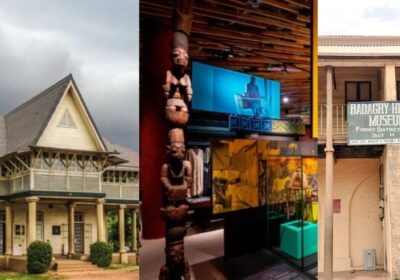
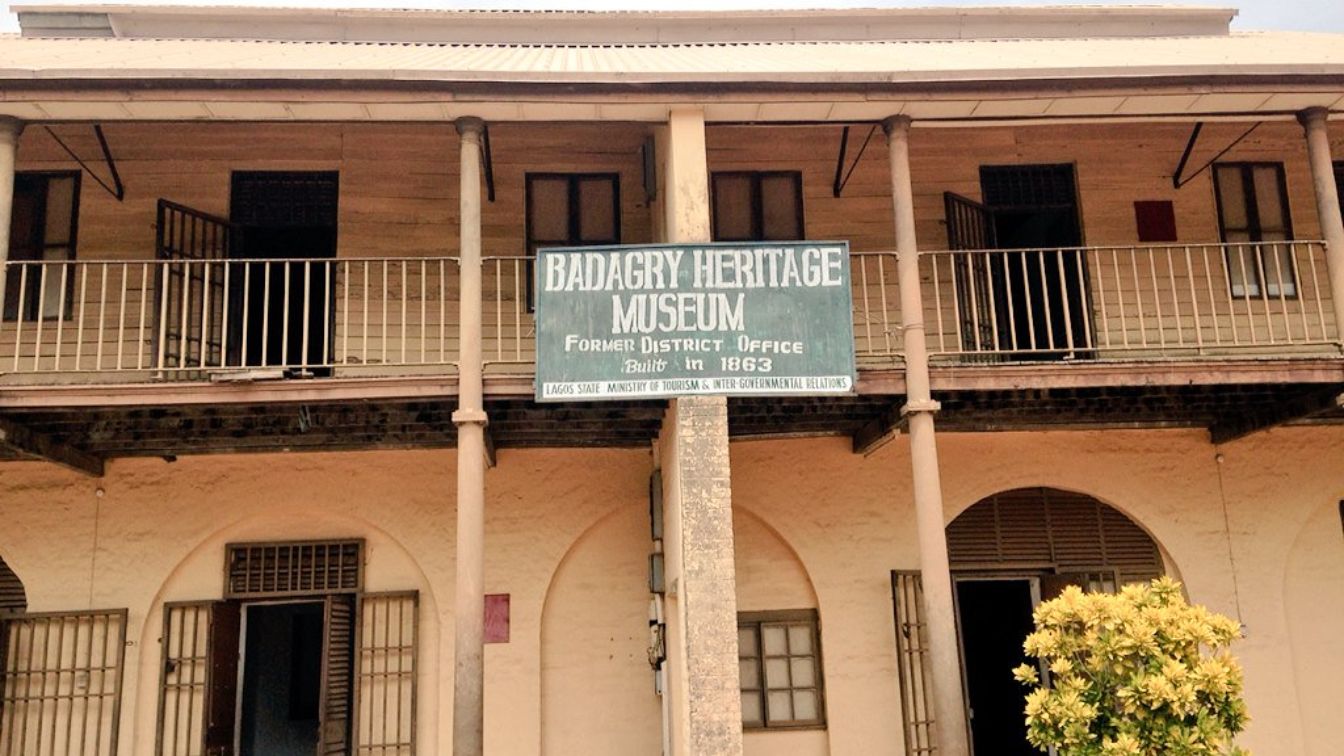
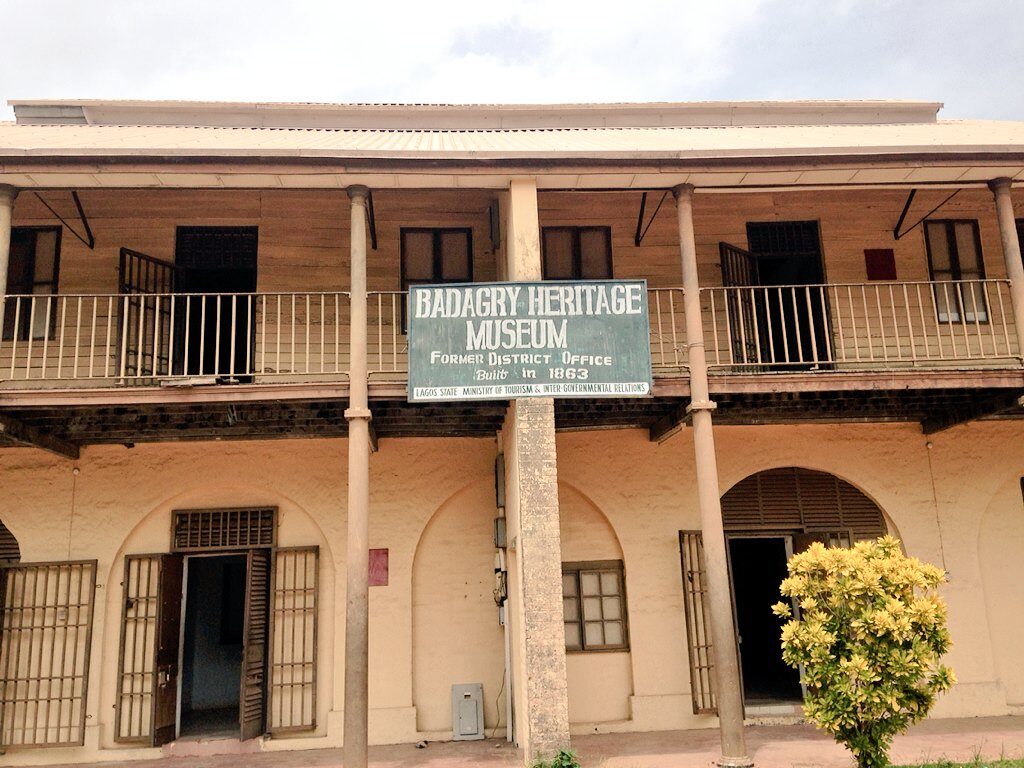
The Badagry Heritage Museum stands inside the historic District Officer’s Office, built in 1863. The museum tells the story of the transatlantic slave trade in a raw and honest way. You will see shackles, chains, trade documents, and photographs. The museum guides you through the journey from capture to shipment across the Atlantic.
Original documents detail the transactions that treated humans as cargo. Photographs capture faces frozen in time. Personal belongings tell intimate stories of lives interrupted. The museum’s collection spans pre-colonial artefacts too, showing the thriving civilizations that existed before European contact.
Many diaspora visitors to Badagry spend hours here, processing emotions they didn’t expect. The museum is your first stop on this journey home. It gives context to everything else you’ll see in Badagry. Come early. Give yourself time. This is where your reconnection begins.
2. Point of No Return
Location: Gberefu Island, Badagry, Lagos State (at the waterfront, approximately 3 km from Badagry town center)
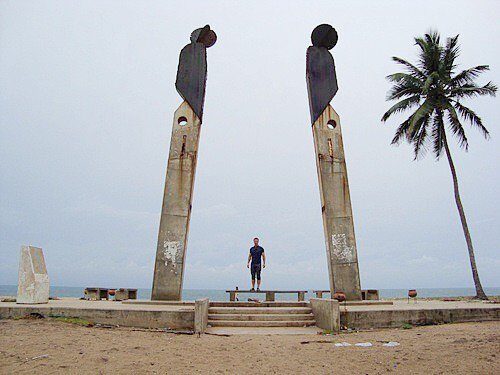
Point of No Return marks the exact spot where captive Africans boarded ships bound for the Americas, the Caribbean, and Europe. By standing here, you face the Atlantic. It’s one of the most emotional sites in West Africa. The walk to this point is quiet. It is about 20 minutes through sand and coconut trees. The silence feels heavy. The monument erected here bears witness to an estimated 10 million souls who passed through Badagry’s shores.
Point of No Return in Badagry gives diaspora visitors a moment of reflection. Many visitors pour libations here. Some pray. Some cry. Some stand still and breathe. It is a spiritual encounter. History becomes personal, and you feel the past inside you. It’s safe to say the Point of No Return transforms tourists into pilgrims.
3. Mobee Family House and Relics Museum
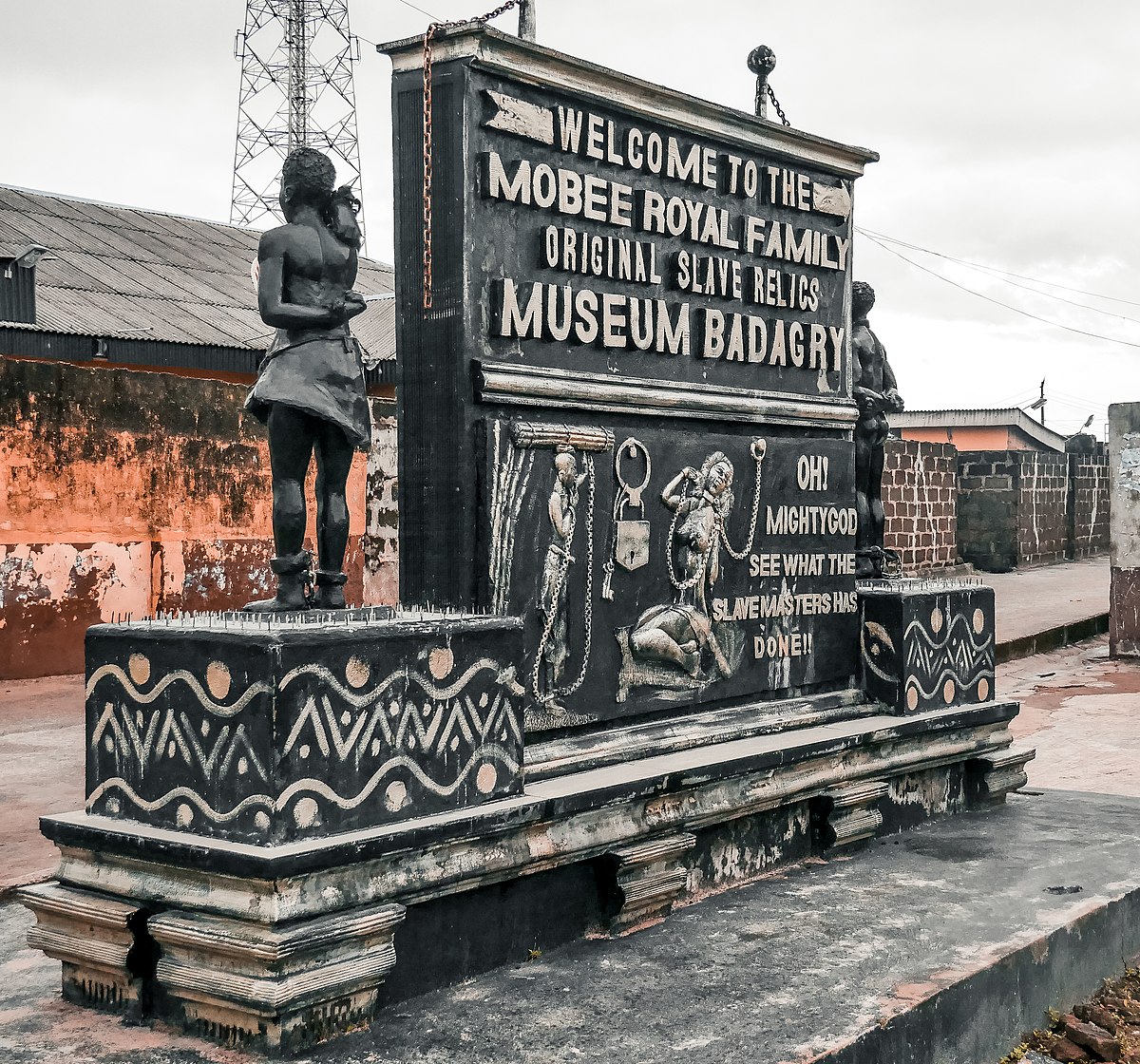
Location: Mobee Family Compound, Badagry, Lagos State
The Mobee Family House and Relics Museum was once home to Chief Mobee, a prominent slave merchant in Badagry. Today, it holds relics from that era. You will see chains, leg irons, and old trade artefacts. These items are preserved inside the family compound.
The architecture reflects Brazilian colonial influence, with distinctive Portuguese-style windows and thick walls. Inside, the museum displays artifacts collected over generations. You’ll see trade goods used to purchase human beings. Cowrie shells. Textiles. Alcohol. Guns. The uncomfortable truth sits in every corner: some Africans facilitated the trade that destroyed other Africans.
The Mobee family descendants now dedicate their ancestral home to education and reconciliation. They acknowledge their ancestors’ role in the trade. They use their inheritance to teach rather than hide. The museum contains rare documents showing the economics of enslavement. Original ledgers list names, ages, and prices.
Furniture from that era fills the rooms. Photographs line the walls. Mobee House doesn’t excuse what happened. It simply reveals all of it. This honesty makes the visit deeply valuable for anyone seeking the complete truth about their heritage.
4. Seriki Williams Abass Slave Museum
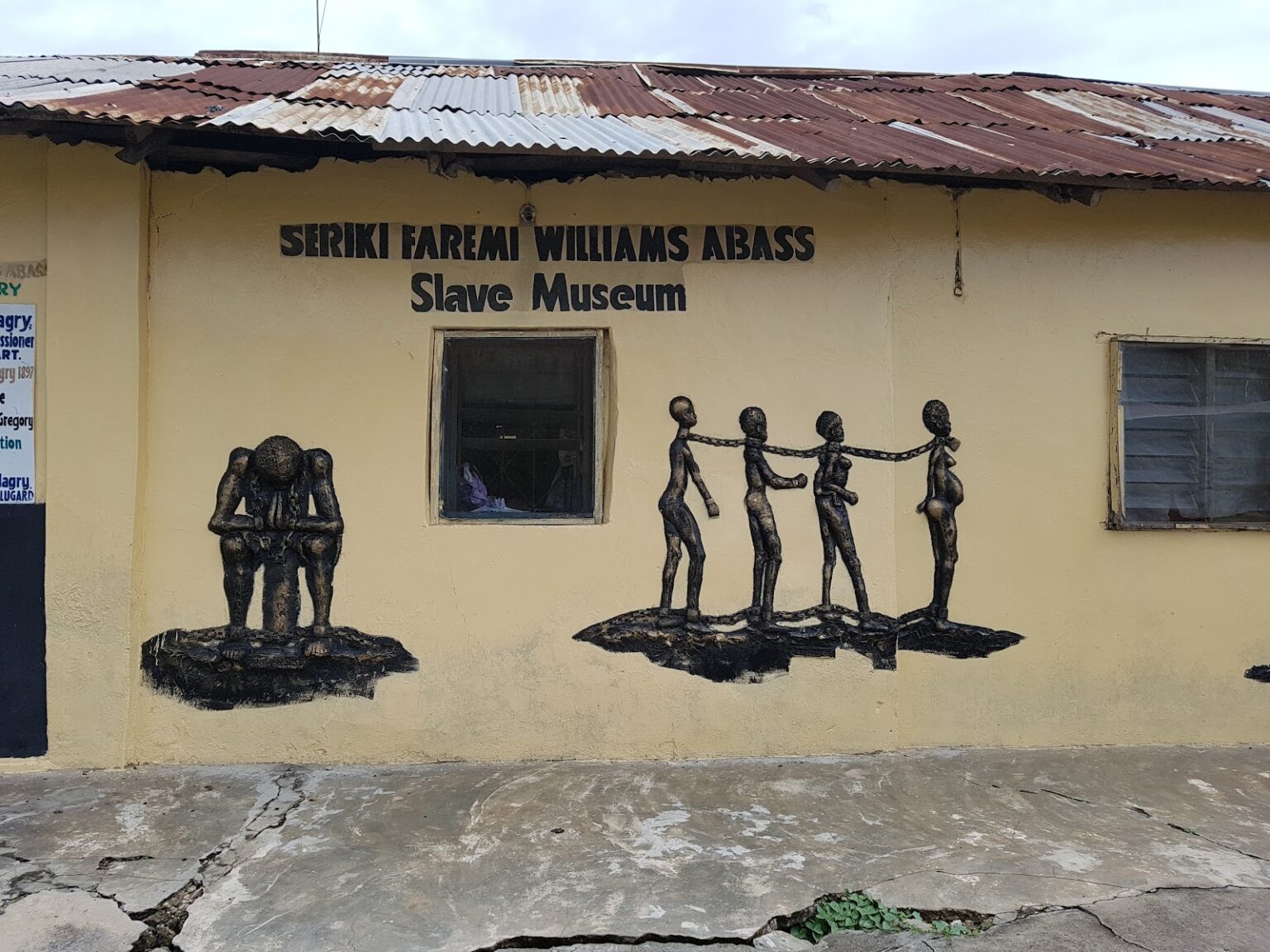
Location: Seriki Abass Compound, Badagry, Lagos State
The Seriki Williams Abass Slave Museum sits inside the compound of a former Brazilian returnee (Seriki Abass) who became a slave merchant. The compound housed a 19th-century slave barracoon, a structure built to confine enslaved people before their forced shipment, which is also the former residence of Chief Seriki Williams Abass, originally named Ifaremilekun Fagbami (born around 1835 in Orile, Ogun State). The building is old, but everything feels so real.
Dark chambers beneath the main house served as holding cells. Iron rings still protrude from walls where chains were anchored. The museum collection includes weaponry used to capture people, branding irons that marked bodies like cattle, and shipping manifests listing human cargo.
What makes this museum particularly powerful is its underground dungeon. You can descend into the actual space where your ancestors were imprisoned. The air down there feels different. Thicker. The darkness presses against you even with lights installed. Many diaspora visitors find this the most emotionally challenging site in Badagry.
The Abass family, like the Mobees, now uses their ancestor’s legacy for education. They’ve created a space for reflection and remembrance. Small shrines dot the compound where visitors leave offerings.
Seriki Williams Abass Slave Museum shows the global link between Brazil and Badagry. Many returnees settled here and built structures that still stand today. This site helps diaspora visitors from Brazil and the Americas connect the dots of their ancestry. It is a place of memory and cultural linkage.
5. Velekete Slave Market
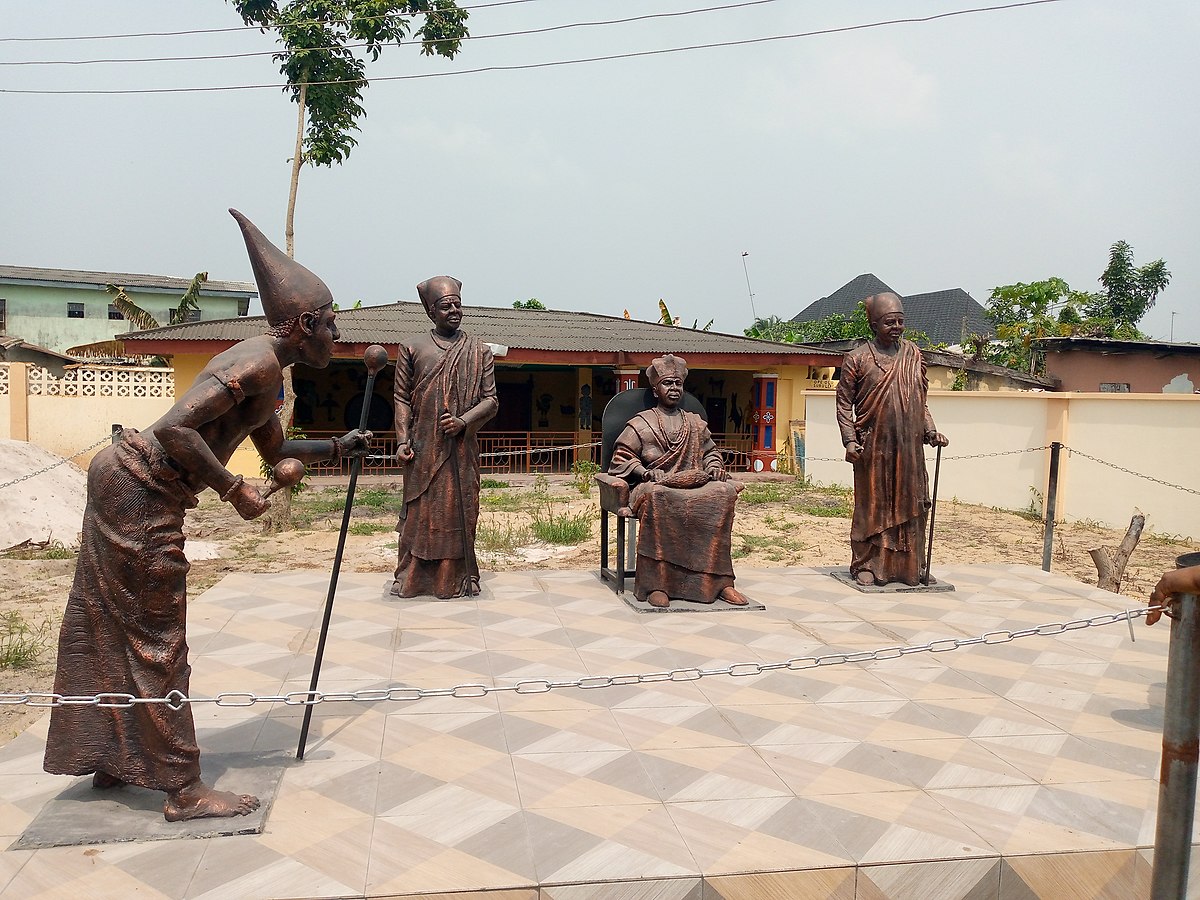
Location: Market Road (Posukoh Road), Badagry, Lagos State
Velekete Slave Market served as one of Badagry’s primary trading posts. This was one of the busiest slave markets in West Africa. Enslaved Africans were sold here after being captured from the interior regions. Traders from Europe came to buy. The market was loud and active.
Captives from inland regions arrived here in chains, displayed like merchandise. European and Brazilian buyers inspected bodies, checked teeth, and assessed strength. Families were separated on this ground. Children were torn from their mothers. Husbands never saw wives again. The market operated with brutal grit. On busy days, hundreds of people changed hands. The site remains largely unchanged. You can still see the original market structure.
Today, a simple monument marks this sacred ground. Local guides explain how the market functioned. They describe the holding areas, the inspection processes, and the negotiation spots. They point to the path captives walked from market to shore. For African Americans, Afro-Brazilians, and Black Europeans, standing in Velekete creates a profound connection. Your bloodline likely passed through here. It’s an uncomfortable truth worth telling.
Many visitors perform private rituals here. Some pour libations. Others simply sit in silence. The Velekete slave market reminds us that, indeed, survival is a legacy.
6. The Agia Tree
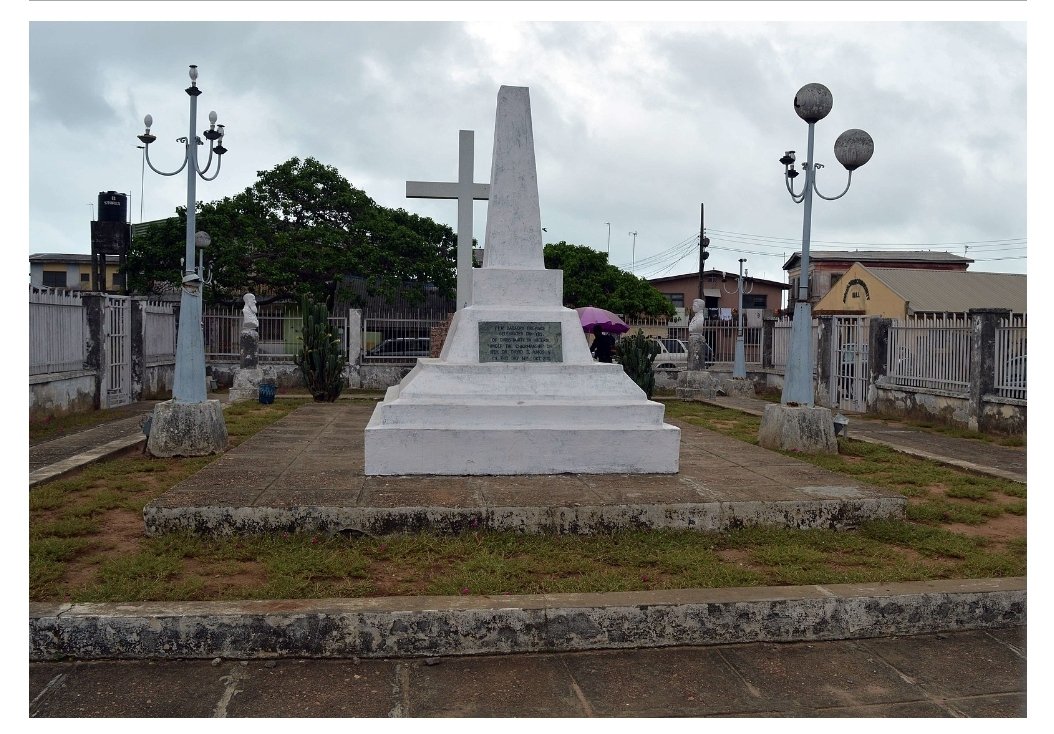
Location: Obada Market near the Badagry Town Hall, Badagry Town, Lagos State
The Agia Tree Monument in Badagry, Lagos State, marks the historic site where Christianity was first preached in Nigeria on September 24, 1842, by Reverend Thomas Birch Freeman and Reverend Henry Townsend. Located in the middle of the Obada Market near the Badagry Town Hall, the monument replaces a 160-foot-tall, 300-year-old tree (known as Asisoe Tin in Egun) that fell on June 20, 1959. The first Christmas service in Nigeria was held under this tree on December 25, 1842.
Shared history also holds that the Agia Tree stood as a symbol of forced conversion during the slave trade era.
Planning Your Heritage Journey to Badagry
Most Badagry tourist attractions cluster within walking distance of each other in Badagry town. You can hire local guides at the Heritage Museum. They’ll accompany you to all sites, providing context and emotional support. The entire tour takes between 3 and 6 hours, depending on how long you spend at each location.
Comfortable walking shoes are important. You can bring or purchase water to stay hydrated.
Transportation from Lagos involves hiring a private car or taking a bus from Mile 2. But the best mode is private transportation, especially for foreigners. It offers more flexibility and comfort for this emotional journey.
Many diaspora visitors choose to book heritage tour packages that include transportation, guides, and all site fees. These typically cost between $50-$300 per person. We can also help you book hotels and beach resorts and show you the best places to eat in Badagry.
Visit Badagry. Walk where your ancestors likely walked. Stand where they stood. Remember. Heal.
Ready to explore more of Lagos? Check out all the major tourist attractions in Lagos.
Join our WhatsApp channel – It’s fun in there! Come see for yourself.
Have you been to Badagry, or are you planning to visit? Drop a comment and let us know! Share your experience.