

Table of Contents
Badagry tourism is becoming one of West Africa’s most powerful heritage travel experiences. The town sits on the southwestern coast of Lagos, about 60 kilometres from Lagos Island. It borders the Republic of Benin to the west, and it faces the Atlantic Ocean to the south.
From these shores, millions of Africans were shipped away. And today, their descendants are coming back.
What Is Badagry? A Town That Remembers
Badagry is a coastal town and local government area in Lagos State, Nigeria. It was founded around the 15th century and was once a thriving kingdom with its own royal lineage, trade routes, and cultural identity. The Badagry people are primarily of Egun and Yoruba descent, and their traditions are deeply woven into every corner of the town.
But Badagry’s story took a dark and brutal turn between the 16th and 19th centuries. It became one of the most active trans-Atlantic slave trade ports in West Africa. Ships carrying human cargo departed regularly from Badagry’s shores, bound for the Americas, the Caribbean, and beyond.
Today, the town carries both that grief and its own quiet resilience. It is a place that has not tried to erase its past. Instead, it has been preserved in museums, in monuments, and in family oral histories passed down through generations.
The Slave Trade History of Badagry: Confronting the Past
The “Point of No Return,” And What It Actually Felt Like
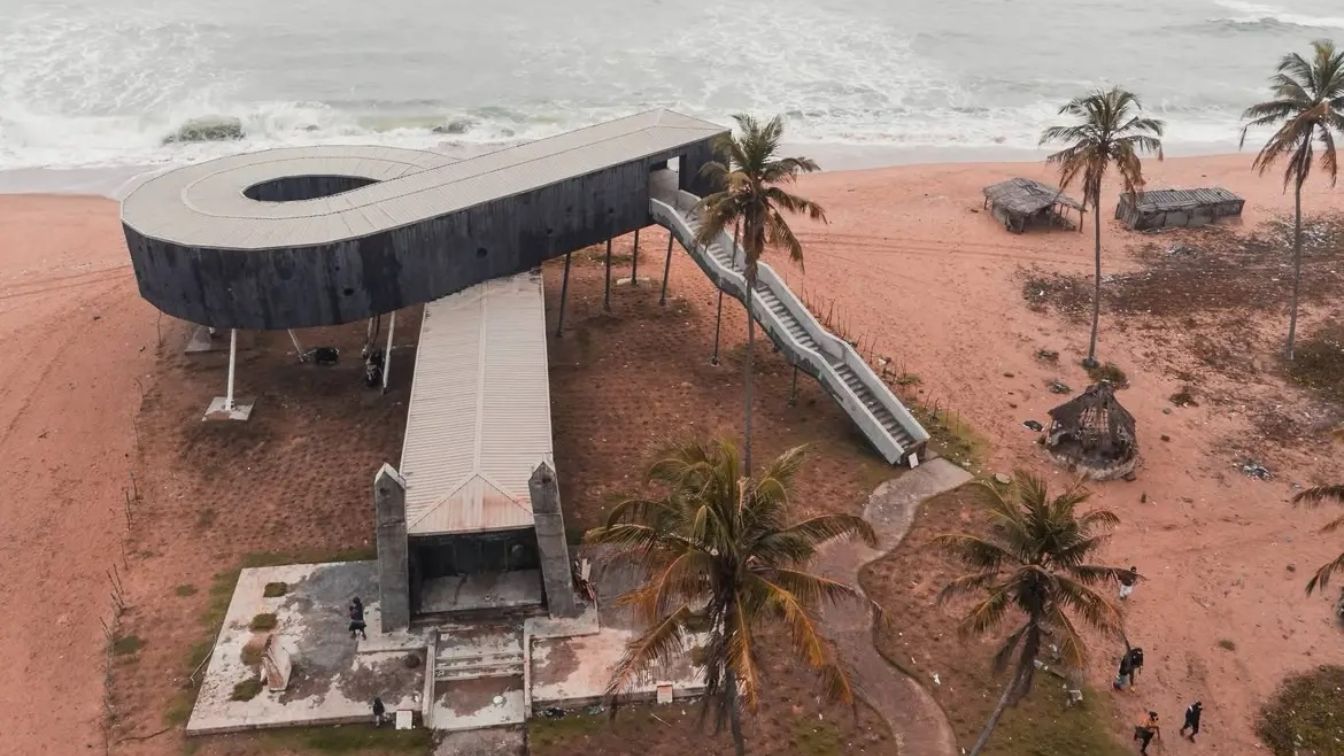
The most emotionally charged site in all of Badagry is Gberefu Island, home to the “Point of No Return.” This is the exact beach from which enslaved Africans took their last steps on African soil before being loaded onto slave ships.
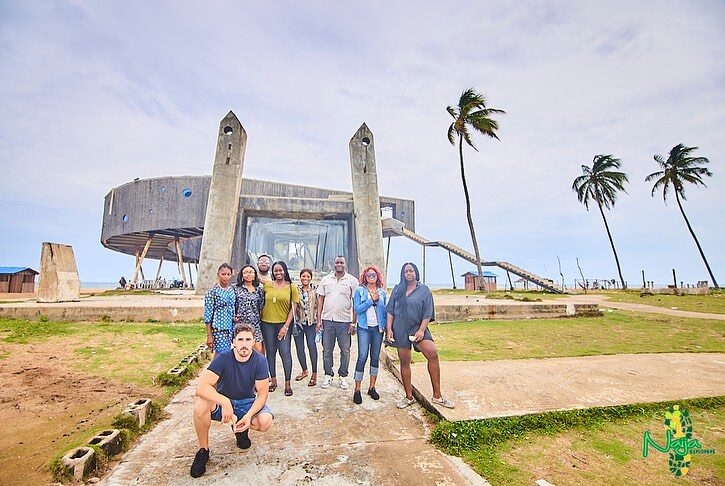
To reach Gberefu Island, you’d have to take a short canoe ride across a lagoon. The crossing itself is symbolic. There is something about being on the water, watching the mainland fade, that hits differently when you know what happened there.
Once on the island, you stand at the actual shoreline. There is a monument. There is sand. There is the ocean—the same ocean that swallowed so many Africans. It is one of the most profound moments available to any traveler in Africa today.
The Slave Relic Museum: Chains, Walls, and Testimony
The Badagry Slave Relic Museum is housed in a Brazilian-style building near the town centre. Inside, you’ll find original iron chains, shackles, neck rings, and other instruments of bondage that were used on enslaved people. These are not replicas. They are the real things.
The walls are thick, designed to muffle sound. The holding cells are small. The ceilings are low. When you step inside, the space changes you. It is not comfortable. It is not supposed to be.
The museum also displays documentation of the commercial relationships between African intermediaries and European traders. It shows the complexity of things and forces visitors to sit with it.
The Vlekete Slave Market: Where Deals Were Struck
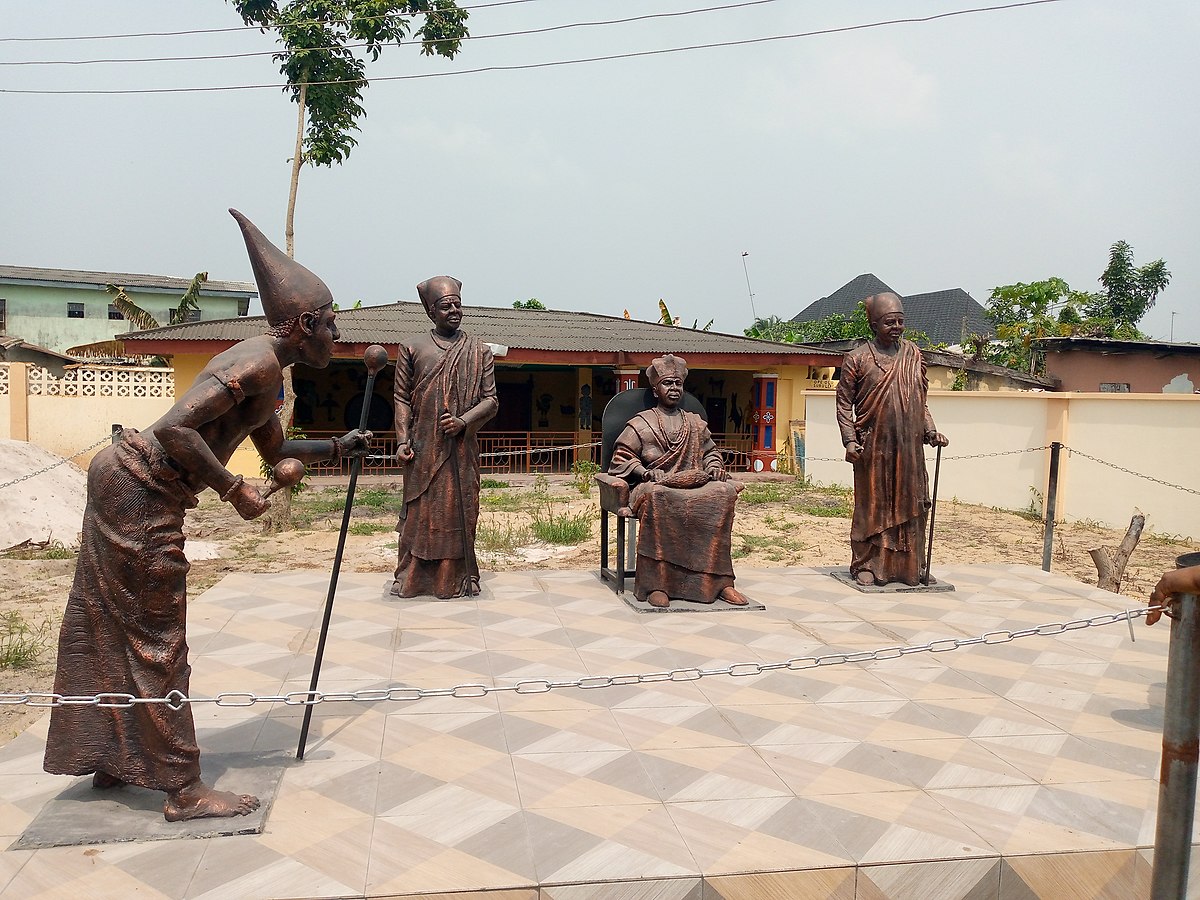
The Vlekete Slave Market is one of the oldest slave markets in West Africa. It dates back to the 1500s. Many of the local guides are descendants of the Aguda (Afro-Brazilians who returned to Badagry after emancipation), and they carry family memory of the trade in their minds and hearts.
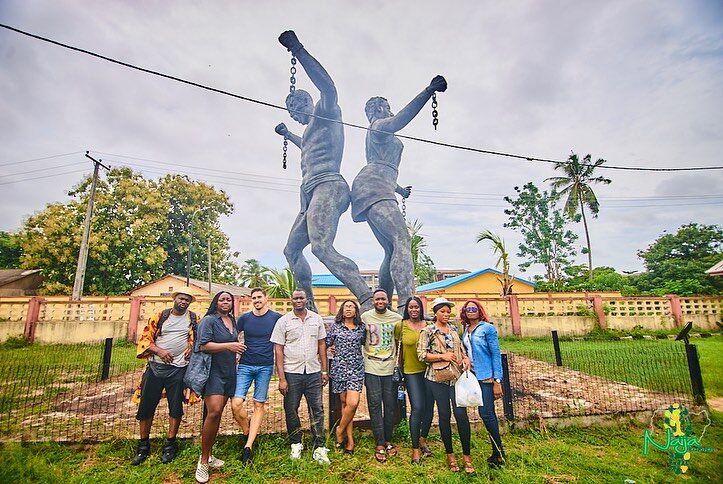
There are monuments erected on the site representing the brutal commercial activities that took place in that era.
Why Badagry Is a Diaspora Pilgrimage Destination
For the African diaspora, travel to Africa is often described as “going home.” But home is a complicated word. It can mean warmth and welcome. It can also mean grief and deep thinking. Badagry contains all of that at once.
Here is why Badagry tourism specifically resonates with diaspora visitors in a way few other destinations in Nigeria do.
1. It Provides Ancestral Closure
Many African Americans, Afro-Caribbeans, and Afro-Brazilians carry the weight of not knowing where exactly they came from. DNA tests have helped. But there is nothing quite like standing on the ground your ancestors stood on. Badagry offers that physical, spiritual connection that no ancestry report can replicate.
2. The Afro-Brazilian Connection Is Alive Here
After the abolition of slavery in Brazil in the 19th century, thousands of freed Afro-Brazilians, called the Aguda, returned to West Africa. Many of them settled in Badagry.
They brought back the Portuguese language, Catholic traditions, Brazilian-style architecture, and a cuisine that still influences the food you eat in Badagry today. You can still see their Brazilian colonial-style houses standing in the town. Some families in Badagry still bear Portuguese surnames: Fernandez, De Souza, Da Silva.
3. The Spiritual Dimension Is Acknowledged and Honoured
Badagry is home to a rich Egungun tradition—Yoruba ancestral masquerade ceremonies that honour the spirits of the dead. For diaspora visitors with Yoruba roots, encountering Egungun ceremonies in their original form is transformative.
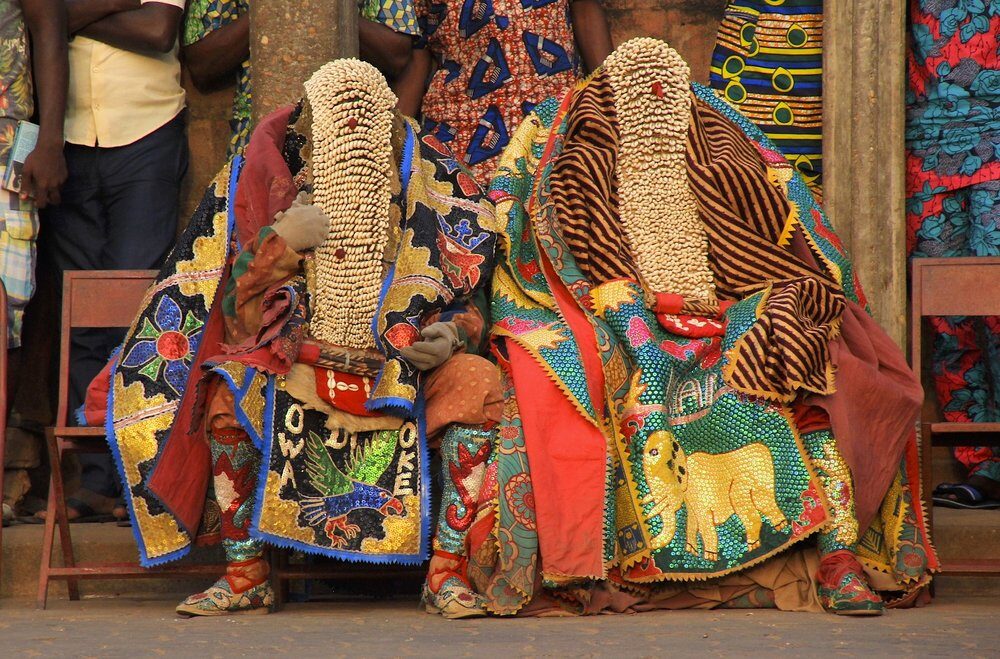
Egungun was carried across the Atlantic. It survived. It became Mardi Gras. It became Junkanoo. It became an aspect of Candomblé in Brazil. Seeing its root form in Badagry, hearing the drums, watching the masquerades, it is like meeting the ancestor of something you have known your whole life.
Top Heritage Sites in Badagry
Here is a snapshot of the key Badagry tourist attractions worth visiting:
- The Seriki Williams Abass House
Built by a wealthy slave trader in the 1800s, this barracoon-style building is one of the oldest structures in Lagos State. Seriki Williams Abass was himself of Nigerian origin but traded extensively in enslaved people. The house is preserved as a museum.
- Mobee Family Slave Trade Museum
The Mobee Royal Family Slave Relics Museum in Badagry, Lagos State, Nigeria, is a privately-owned institution managed by descendants of the traditional Mobee family, whose ancestors were involved in both the slave trade and its subsequent abolition. It displays, preserves, and exhibits authentic artifacts and, significantly, tools of torture and branding used during the 16th to 19th-century transatlantic slave trade, showcasing the harrowing history of the era.
- The First Site Where Christianity was Spread in Nigeria
Christianity was introduced to Nigeria through Badagry. The first church, Rev. Thomas Freeman’s Methodist Church, was established in 1842 under the Agia Tree (known as Asisoe Tin in Egun). For diaspora visitors who are also Christian, standing in that site is a deeply moving experience.
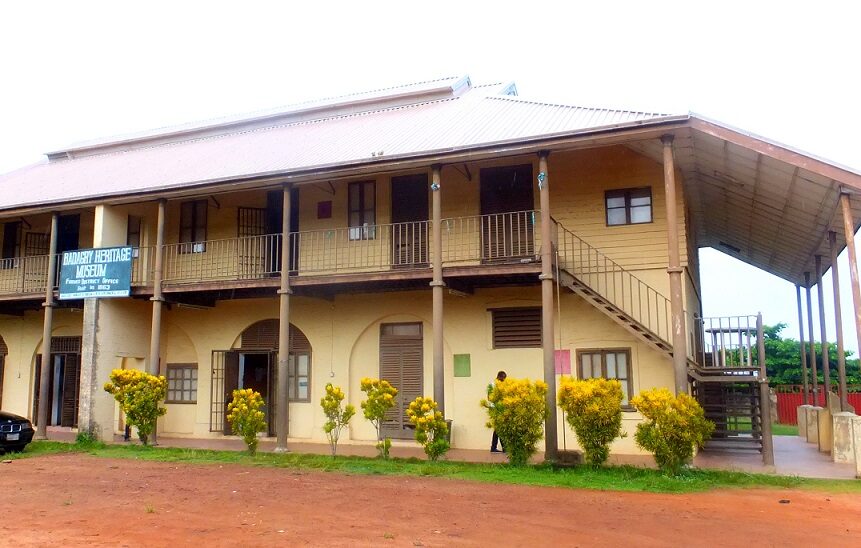
• The Badagry Heritage Museum
A comprehensive museum that covers the town’s history from pre-colonial times through the slave trade era and into the modern period. Artefacts, photographs, and oral history recordings make this one of the better-curated heritage museums in Lagos.
Badagry Beyond the Slave Trade: What Else Is There?
Badagry is not a one-note destination. Yes, its slave trade history is the anchor of diaspora tourism. But the town has other layers worth exploring.
The Badagry Coconut Beach
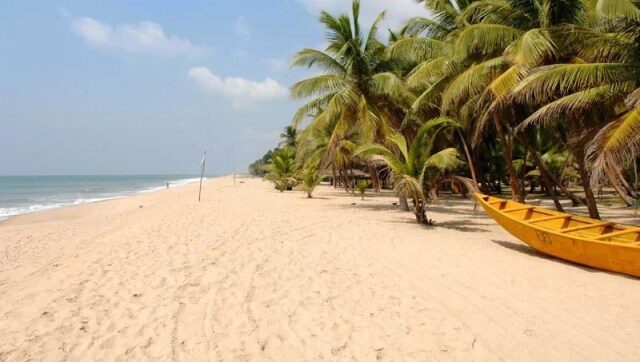
Badagry has one of the more serene beaches in Lagos State. The Badagry Coconut Beach is far less crowded than Elegushi Royal Beach or Tarkwa Bay, and the vibe is slower and more reflective. Many visitors spend time here after their heritage tours, sitting with the ocean, watching it, letting what they have just processed settle.
The Whaling Cove and Badagry Creek
Badagry Creek is a long, narrow body of water that separates Badagry from the Atlantic. It is beautiful and quiet. Boat rides along the creek at sunset are one of the most underrated experiences in all of Lagos tourism. The mangroves, the water birds, and the occasional fishing boat all offer a peaceful experience.
The Food Scene
Badagry’s local food is Egun-influenced, with strong Yoruba undertones. You will find fresh seafood everywhere—grilled fish, pepper soup, fried tilapia, and coconut-laced dishes that reflect the town’s coastal life. There are small local restaurants (buka) near the waterfront that are excellent. Do not leave without eating fresh fish from the creek.
The Brazilian returnee influence also shows up in the food. Look for dishes and cooking techniques that have a slight Portuguese-African fusion quality.
Year of Return and the Rise of Badagry Tourism
In 2019, Ghana launched its Year of Return initiative, an official invitation to the African diaspora to come home, 400 years after the first enslaved Africans were taken to North America. It was a massive success. It also had a ripple effect.
Nigeria noticed. And while Ghana often gets more attention in diaspora heritage travel conversations, serious heritage tourists know that Badagry in Nigeria holds a story that is just as powerful and far less crowded.
Badagry tourism has been steadily growing since 2019. The Lagos State government has invested in improving access roads and signage. New boutique lodges and heritage guesthouses have opened. Local tourism operators are becoming more professional. It is still raw in places. But that rawness is part of what makes it real.
How to Visit Badagry From Lagos
Getting There
Badagry is about 60 km from Lagos Island and roughly 55 km from Lagos Mainland. The drive along Badagry Expressway takes between 1.5 to 2.5 hours, depending on Lagos traffic. Hiring a private driver or a tour operator is strongly recommended for first-time visitors. Do not rely on public transport.
Best Time to Visit
The dry season—November to March—is the most comfortable time to visit. The wet season (April to October) can make some roads and ferry crossings a bit challenging. That said, Badagry can be visited year-round. The rainy season also gives the creeks and vegetation a lush, atmospheric quality that photographers love.
How Long to Spend
One full day is the minimum. Two or three days is ideal. If you can stay overnight in Badagry, do it. The town is different at night. Slower, quieter, and more intimate. The morning light on the lagoon is something you would want to experience.
Where to Stay
Accommodation options in Badagry are growing. There are a handful of quality beach resorts and small hotels along the waterfront. If you want full immersion, look for waterfront lodges near Badagry Creek. The closeness to the water makes a difference.
Hire a Local Guide
This cannot be overstated. The heritage sites in Badagry are only half the experience. The other half is the human story that a knowledgeable local guide brings. Many of the best guides are directly descended from families who lived through the trade era. What they know, and the way they tell it, is incomparable.
Final Thoughts
Badagry tourism offers the kind of truth that makes you different after you encounter it. For the African diaspora, Badagry is a mirror. It holds up a reflection of who you came from, what survived, and what was lost. It is grief and beauty, all layered together in a small coastal town that the rest of the world is yet to fully explore.
Plan your Badagry tourism adventure today!
Join our WhatsApp channel – It’s fun in there! Come see for yourself.
Have you been to Badagry, or are you planning to visit? Drop a comment and let us know! Share your experience.
You May Also Like:
Best Places to Visit in Badagry (A Tourist 2-Day Staycation Guide)
Badagry Tourist Attractions: Top Diaspora Destinations to Visit in Badagry
Badagry’s Point of No Return: A Slave Attraction That Still Breaks Hearts Centuries Later